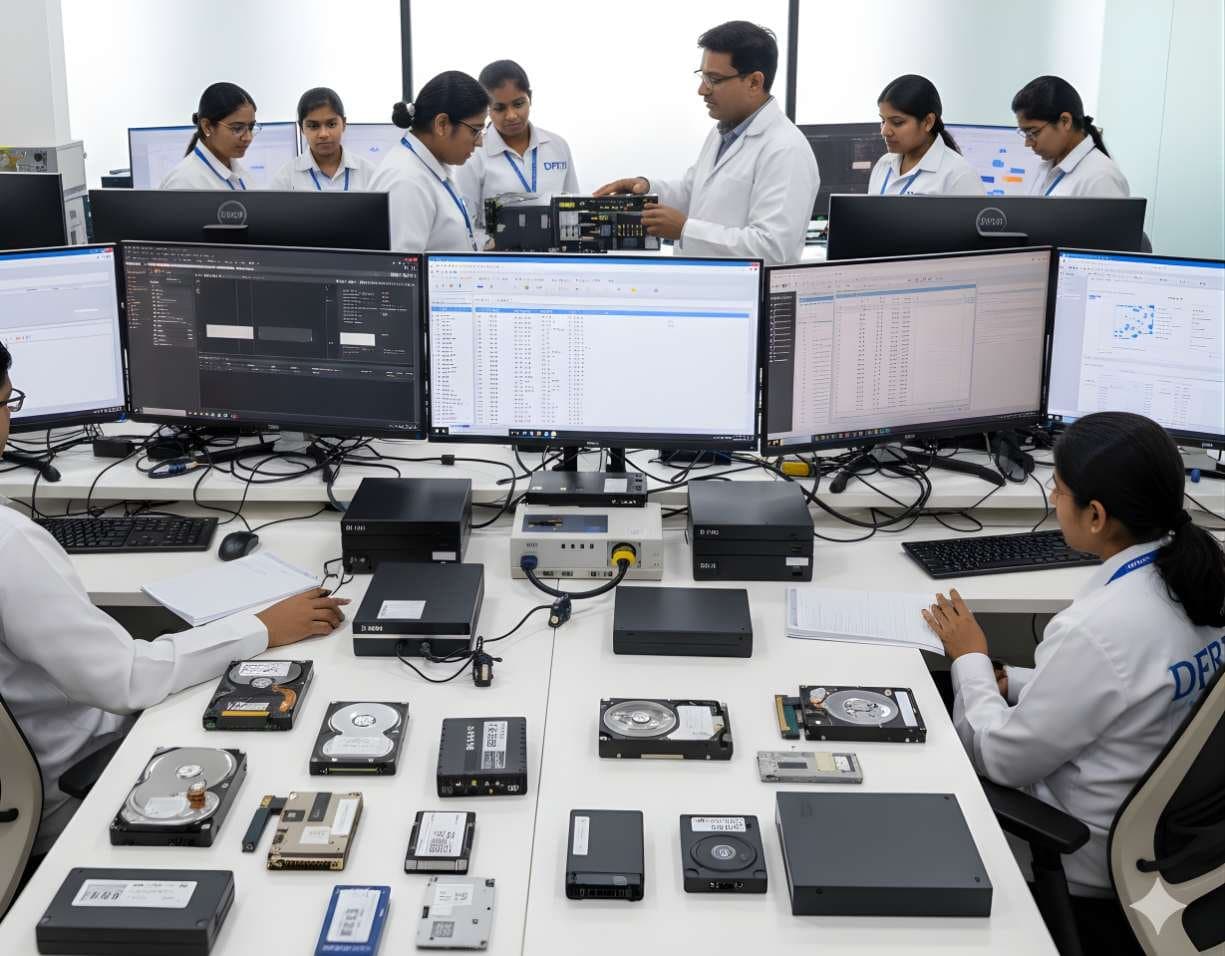
 StorageDigital Storage ForensicsHDD ForensicsImage hard drives through a write-blocker, find hidden areas and recover deleted data.
Our Faculty
Our trainers are working forensic professionals. They bring real investigative experience into every class and guide you through practical cases step by step.
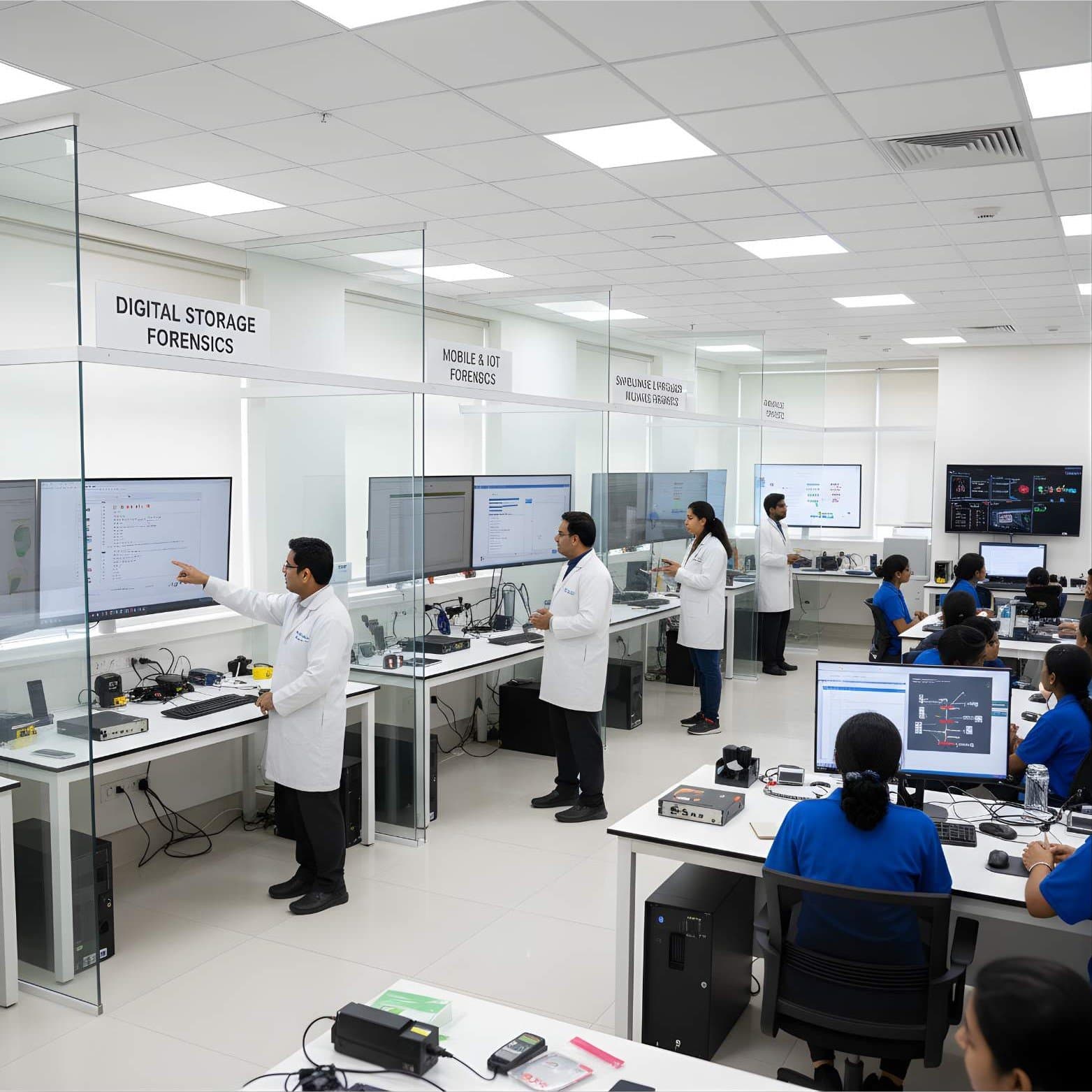
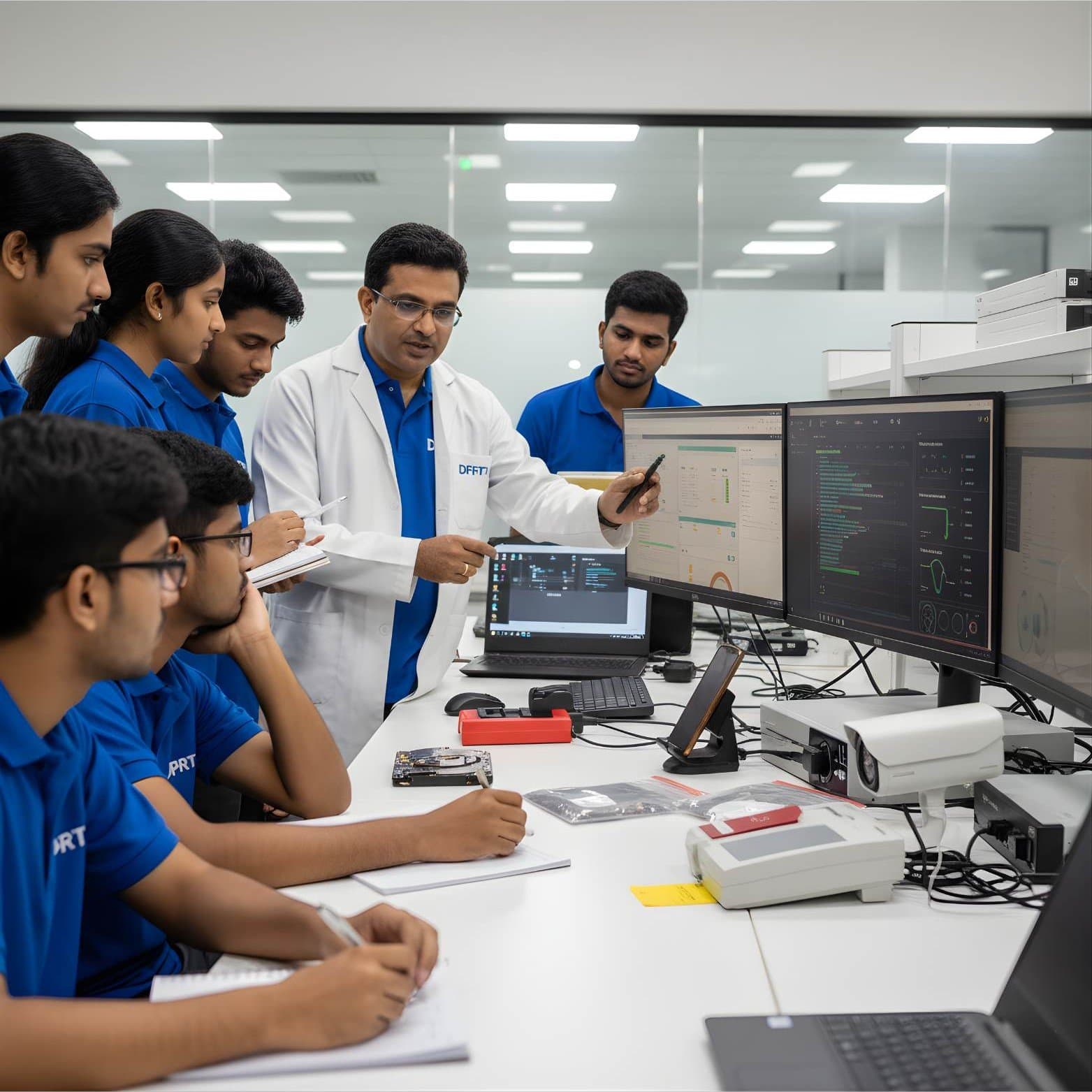
Taught by people who do the work
Every DFRTI instructor specialises in analysing digital evidence and using forensic tools on real cases. That shows in the classroom. When a student's hash values do not match or a phone extraction fails halfway, the trainer has seen it before and can explain what went wrong.
Faculty have hands-on experience across government, company and law enforcement investigations. They teach with case-based lessons, so you learn the method and also the judgement calls an examiner makes along the way.
What our faculty teach
- Digital storage forensics
HDD, SSD, USB, RAID and NAS, and file systems.
- Mobile and IoT forensics
Android, iOS, SIM cards, drones and IoT devices.
- Network and cloud forensics
Traffic analysis, Wireshark, cloud storage and virtual machines.
- Surveillance and multimedia
CCTV, DVR, metadata and deepfake detection.
- Incident response and malware
Memory forensics, malware analysis and ransomware.
- Advanced and specialised
Vehicles, blockchain, AI and OSINT.
Why our faculty stand out
- Hands-on experience across government, corporate and law enforcement investigations
- Lessons built on real cases, not textbook examples
- Command of forensic tools and the methods behind them
- Training aimed at skills you can use in your job straight away
- Attention to current workflows in AI, mobile, cloud and network forensics
How a class runs
A typical session starts with a short case brief, for example a WhatsApp chat dispute in a cheating complaint or a laptop recovered in a data theft. The trainer explains the legal and technical questions, then the class does the work: acquisition, verification, analysis and notes.
At the end, students compare findings and the trainer goes through where each one went right or wrong. Faculty also review written reports, because in practice a good examination with a weak report can still fail in court.
Related courses
StorageDigital Storage ForensicsHDD ForensicsImage hard drives through a write-blocker, find hidden areas and recover deleted data.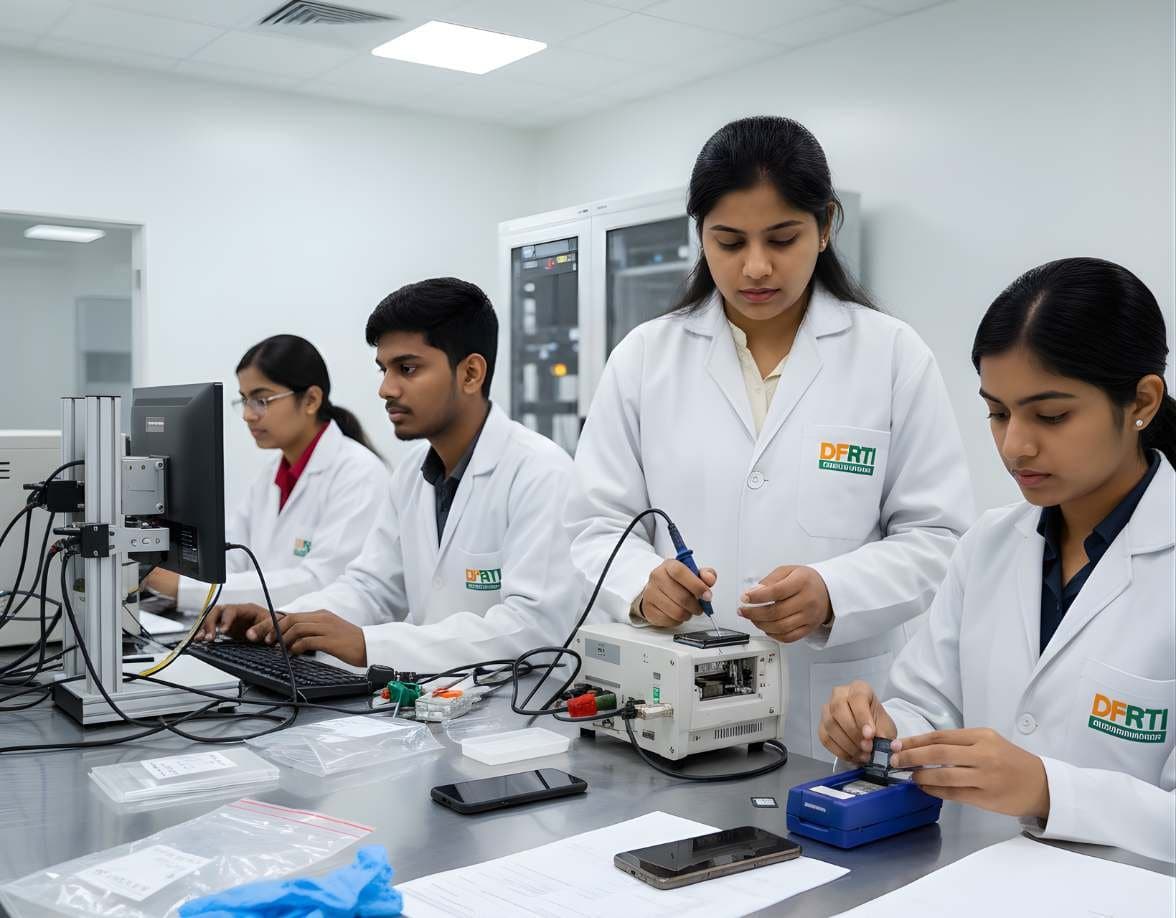 MobileMobile & IoT ForensicsAndroid ForensicsExtract and examine Android phones, from ADB pulls to WhatsApp databases and ALEAPP reports
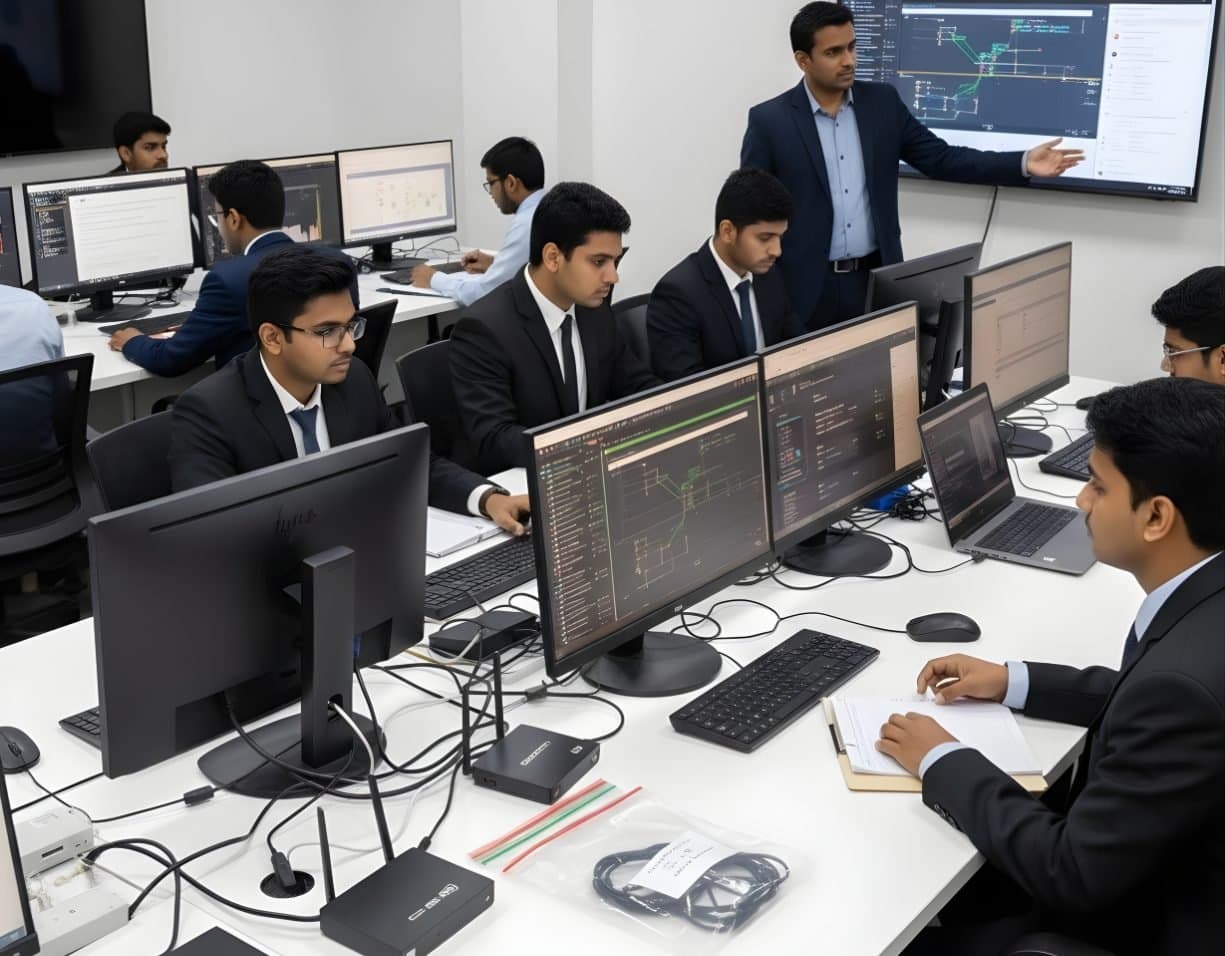 NetworkNetwork & Cloud ForensicsNetwork Traffic AnalysisRead flows, logs and packets to trace intrusions, beaconing and data theft.
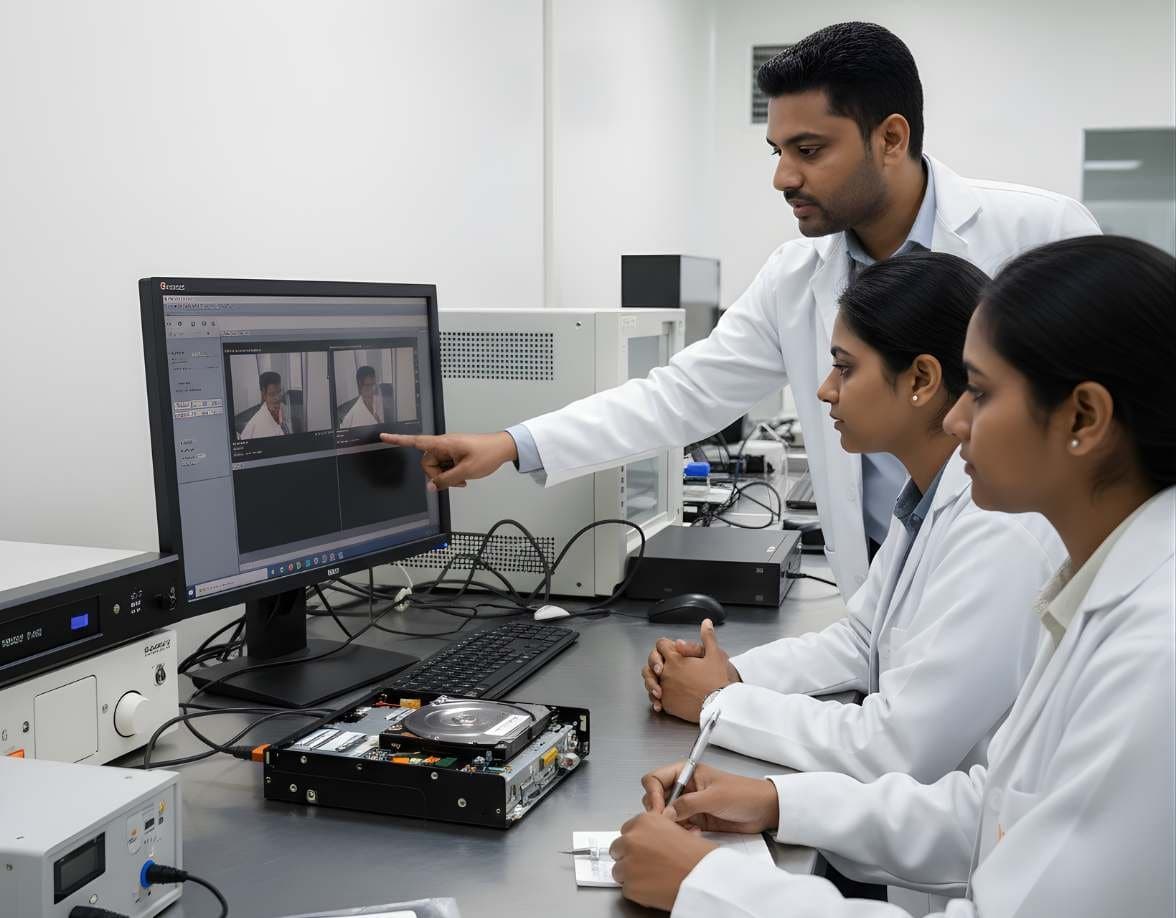 VideoSurveillance & Image / Video ForensicsCCTV / DVR AnalysisExport footage from Hikvision, Dahua and other DVRs with correct times, frames and hashes
Not sure this is the right one for you?
Tell us your background and what you want to do next. A counsellor will suggest a course and the next batch.