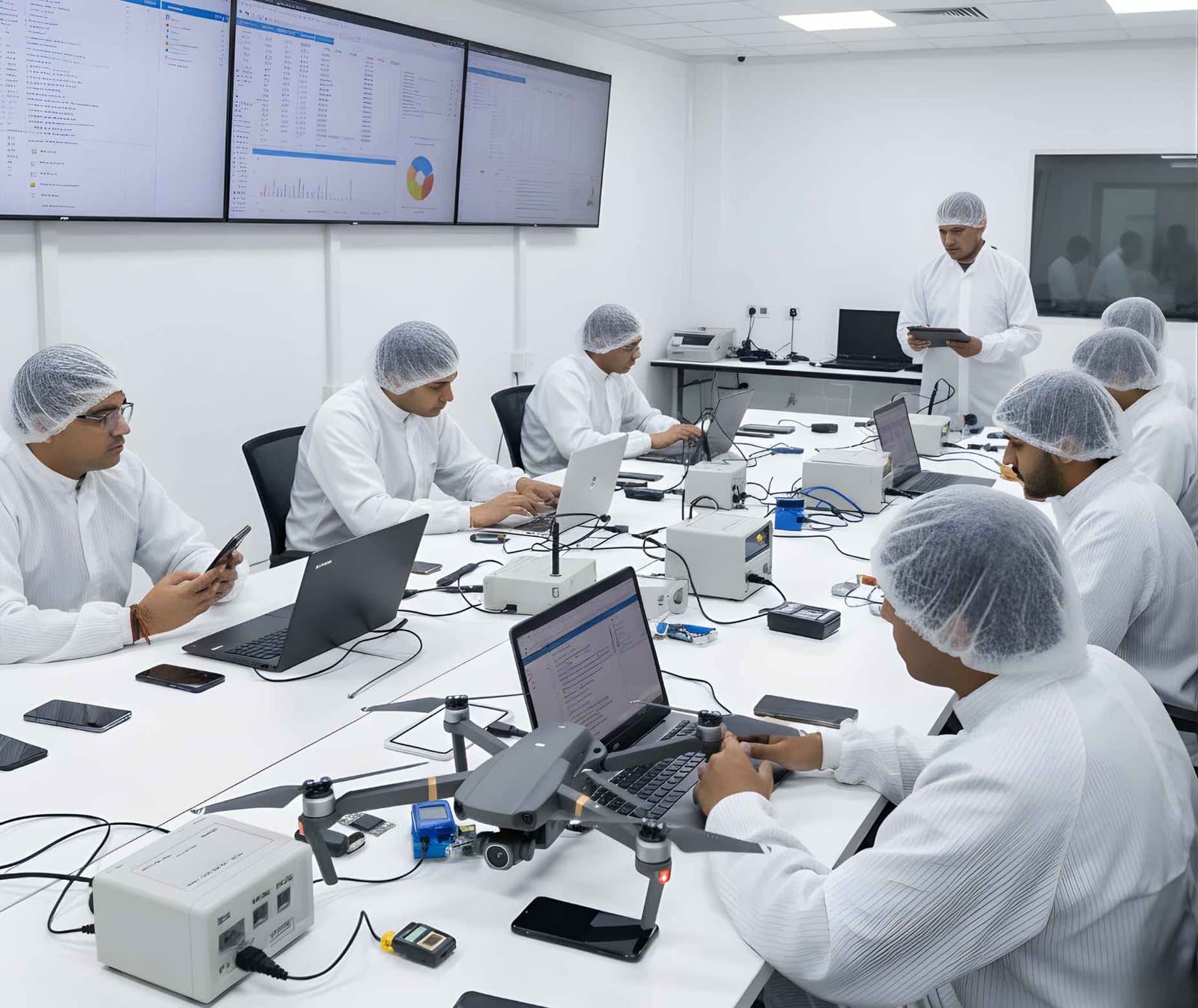
 MobileMobile & IoT ForensicsDrone ForensicsRecover DJI flight logs, GPS tracks and home points from drones, controllers and phone apps
IoT / Drone Forensics Certificate
This certificate covers devices that are not phones or computers but still hold evidence: drones, smart home devices and the infotainment systems in cars.
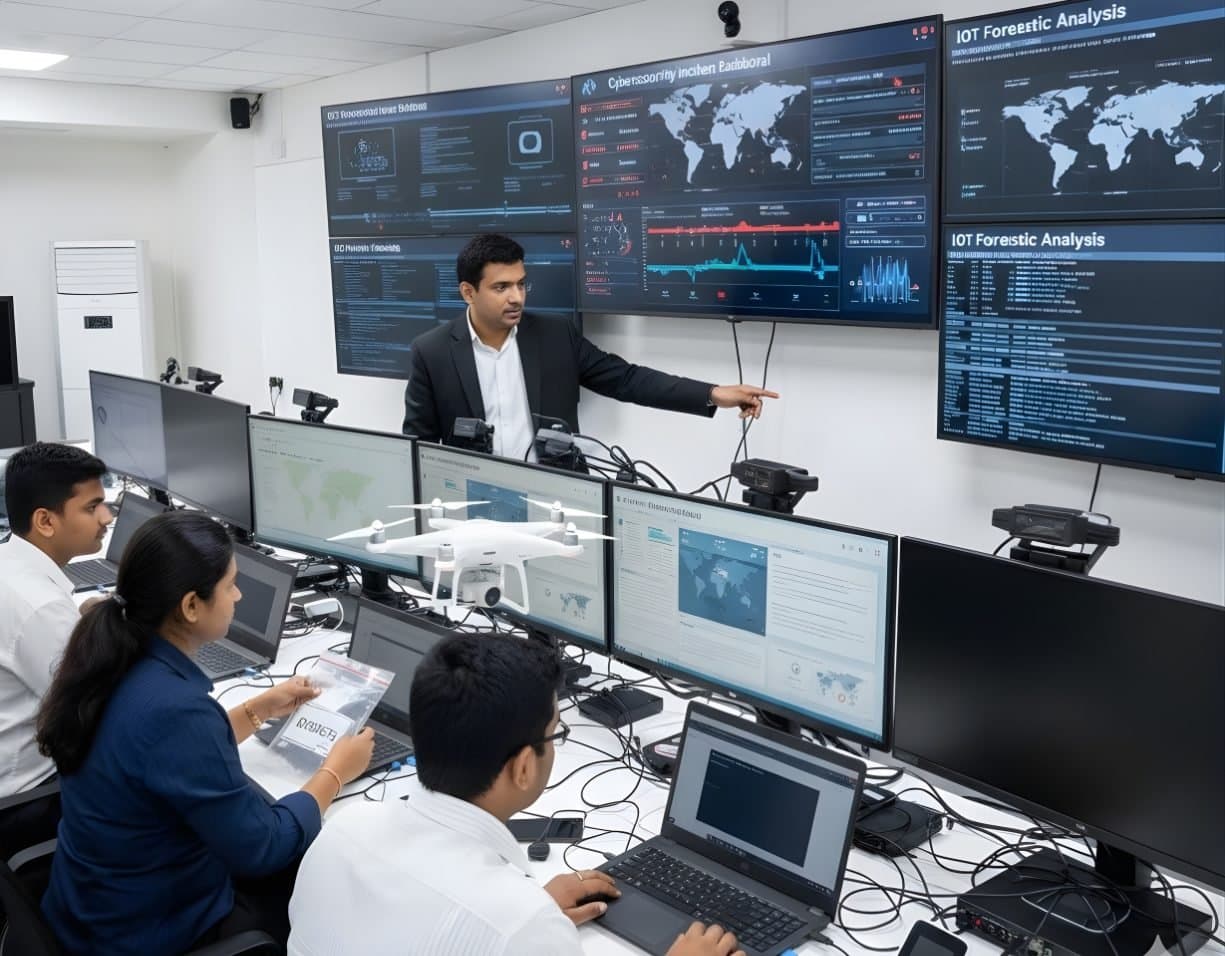
DFRTISpecialised certificate
What a holder can show
- Recover flight logs from a drone, its controller and the paired phone app
- Plot a drone's flight path, height and home point from the logs
- Identify where a smart device keeps data: on the device, in the phone app or in the cloud
- Acquire data from IoT devices without changing it
- Recover paired phones, call logs and GPS track logs from vehicle infotainment units
- Link device data with phone records into one timeline
- Report findings from unusual devices in plain, checkable terms
About the Certificate
A drone flown over a restricted area, a smart doorbell that saw a visitor, a car whose dashboard remembers which phone was connected at the time of an accident. These devices hold useful evidence. Each one stores it differently and many examiners have never handled them.
The certificate brings together drone forensics, IoT device forensics and automotive and vehicle forensics. You learn where each device keeps its data, how to acquire it and how to link it with the phone and cloud records that usually sit alongside it.
Who Should Take It
This is a specialised certificate. DFRTI asks for completion of foundation or core forensic courses, or equivalent professional experience, before you start.
- Mobile forensic examiners who want to go beyond phones
- Police units dealing with drone misuse, vehicle crime or smart home evidence
- Forensic laboratory staff who receive unusual devices
- Security teams in organisations that use drones or connected devices
How to Earn It
- 01Choose the certification
Select the IoT / Drone Forensics Certificate on the certifications page. If you are not sure it is the right level for you, talk to a counsellor first.
- 02Enrol
Fill in the enrolment form and complete the payment. You then get access to the course material and labs on the DFRTI student portal.
- 03Study and practise
Work through the Drone Forensics, IoT Device Forensics and Automotive / Vehicle Forensics courses. The portal has video lectures, notes, lab exercises, quizzes and exam preparation material.
- 04Schedule the exam
Book your exam through the DFRTI portal when you feel ready.
- 05Get your certificate
Your certificate carries a unique ID. Anyone can enter that ID on the DFRTI verification page and confirm it online.
What Is Assessed
DFRTI exams combine multiple-choice questions, practical lab work, case study analysis and tool-based exercises, all within a set time. The exact structure depends on the certification.
- Theory questions
Multiple-choice questions on drone components, IoT storage, vehicle modules and the handling of each.
- Practical lab
Recover and decode drone flight logs and plot the flight on a map.
- Case study
Bring together vehicle, phone and smart device data to rebuild one incident from start to finish.
- Tool-based exercise
Answer set questions on prepared device data using tools such as DJI log viewers and Autopsy.
IoT / Drone Questions
Are there prerequisites?
Yes. Specialised certificates need completion of foundation or core forensic courses, or equivalent professional experience. Mobile forensics experience is the most useful background here.
Why are cars part of this certificate?
A car's infotainment and telematics units are connected devices too. They pair with phones, record locations and sync contacts, so the same skills apply.
Can I retake the exam if I do not pass?
Yes. DFRTI allows retakes and the number of attempts depends on the certification. A counsellor can explain the current retake rules before you enrol.
How can an employer check my certificate?
Every DFRTI certificate has a unique ID. The employer enters it on the DFRTI verification page and sees at once whether the certificate is genuine.
Related courses
MobileMobile & IoT ForensicsDrone ForensicsRecover DJI flight logs, GPS tracks and home points from drones, controllers and phone apps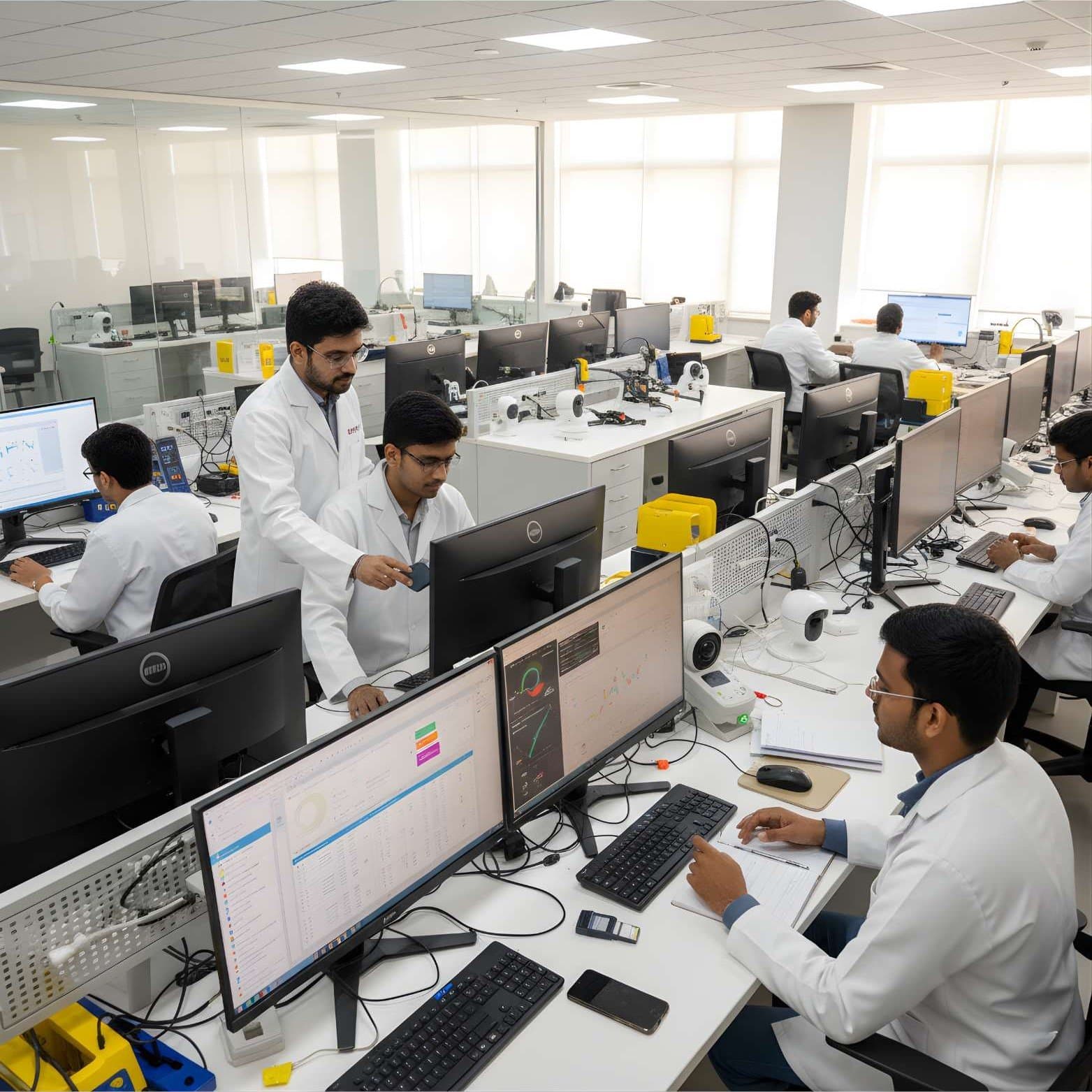 MobileMobile & IoT ForensicsIoT Device ForensicsEvidence from smart speakers, cameras, wearables and routers, plus firmware extraction basics
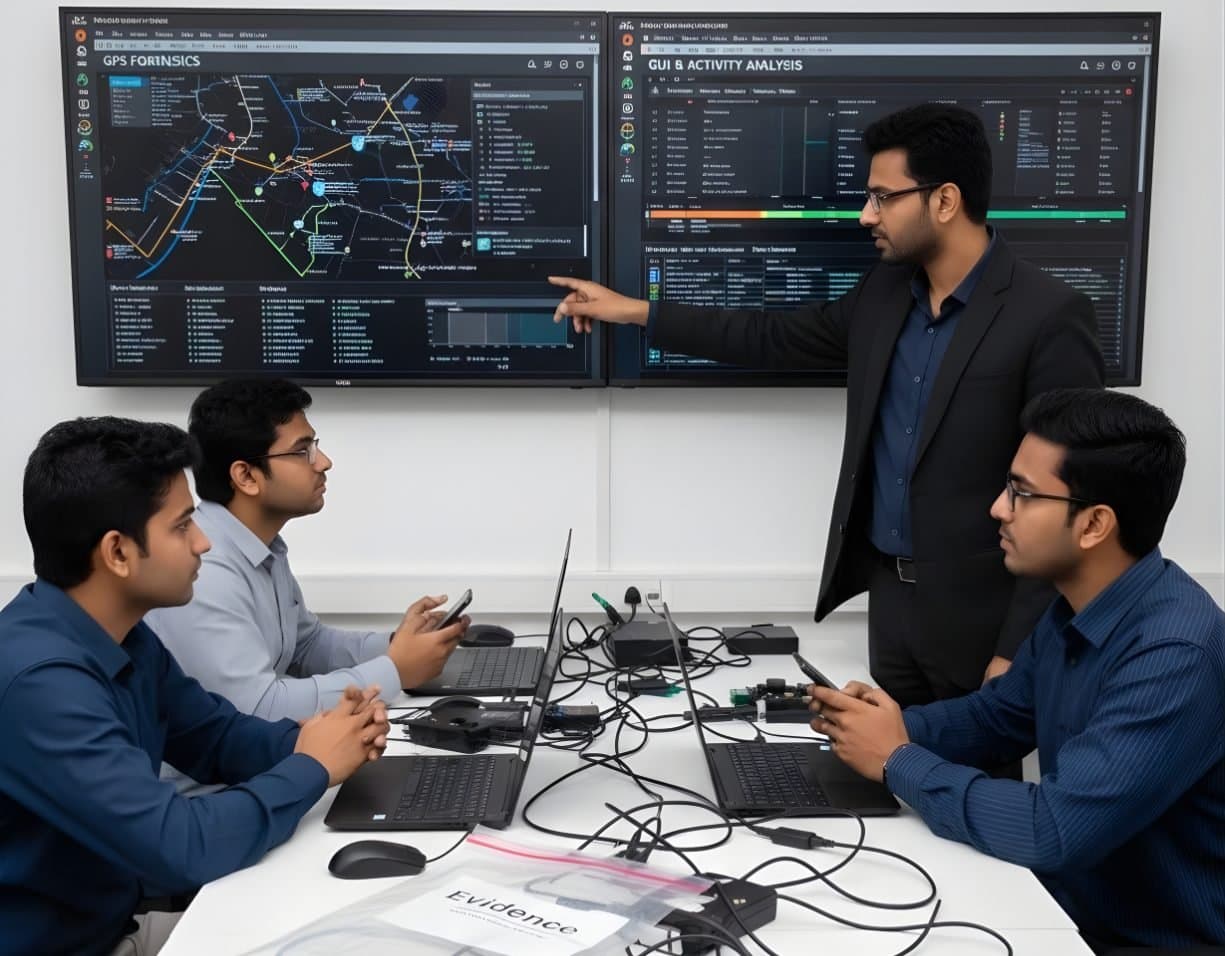 AdvancedAdvanced & Specialised ForensicsAutomotive / Vehicle ForensicsRecover paired phones, trip logs and events from infotainment and telematics units
More in Certifications
Not sure this is the right one for you?
Tell us your background and what you want to do next. A counsellor will suggest a course and the next batch.