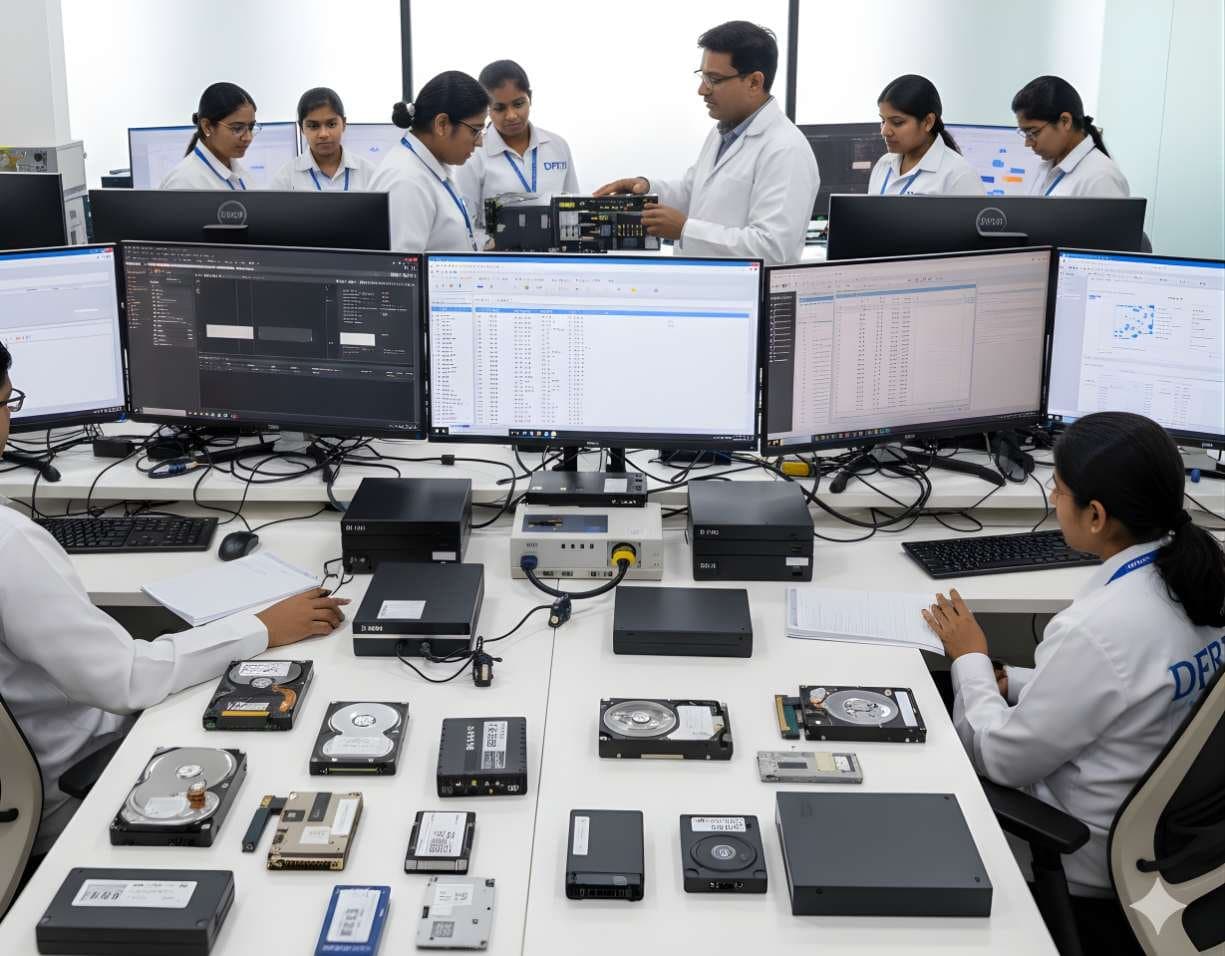
 StorageDigital Storage ForensicsHDD ForensicsImage hard drives through a write-blocker, find hidden areas and recover deleted data.
DCFA Digital Forensic Analyst
The DCFA shows that you can take a hard disk, SSD or pen drive from seizure to a signed report. It covers storage, file systems, evidence acquisition and the legal side of presenting what you found.
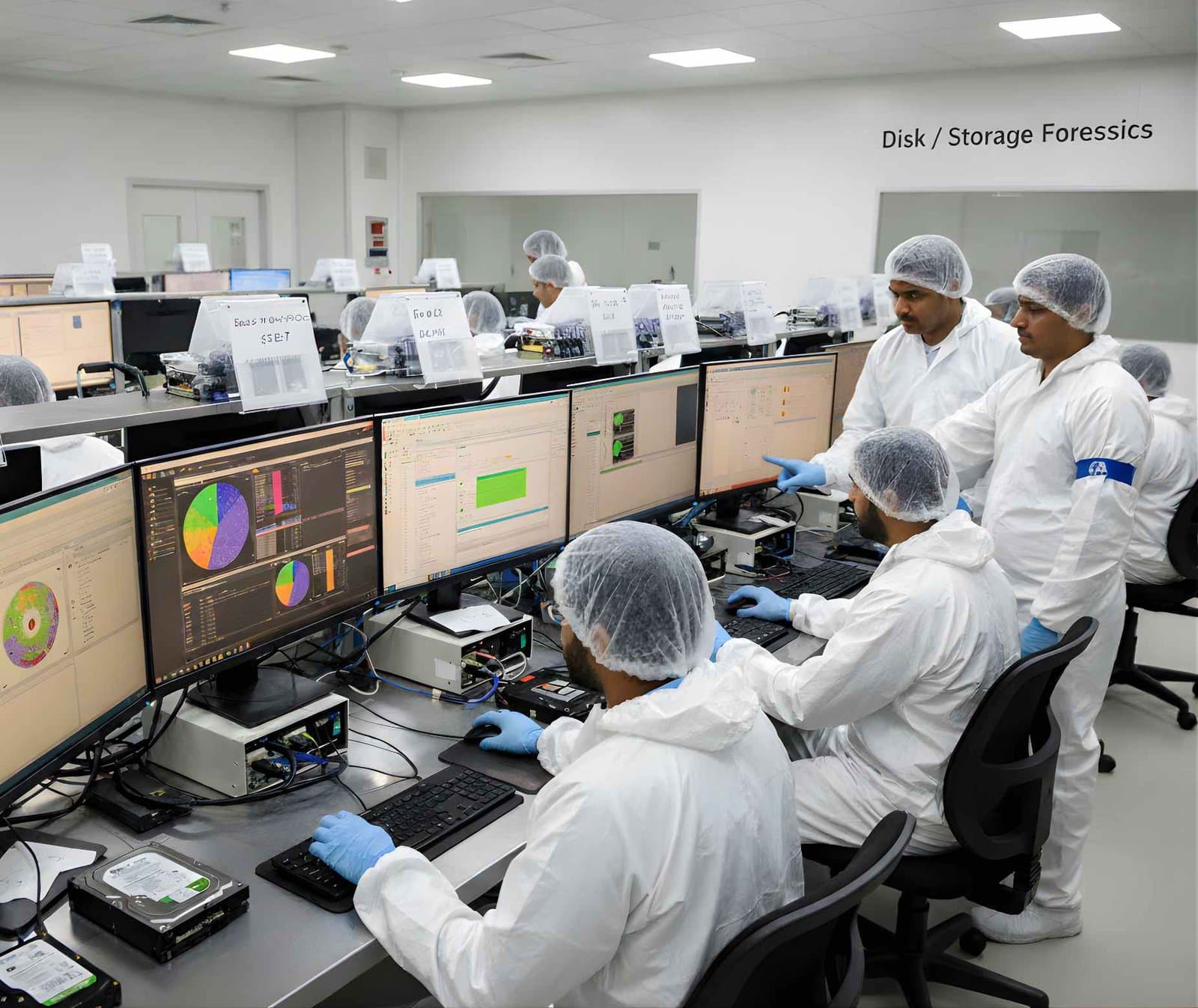
DCFADigital Forensic Analyst
What a holder can show
- Image HDDs, SSDs and pen drives through a write-blocker and verify the hash
- Analyse NTFS, FAT32, exFAT, ext4 and APFS file systems
- Recover deleted files and explain why TRIM limits recovery on SSDs
- Rebuild RAID arrays and examine NAS devices
- Build a timeline from file system timestamps and metadata
- Keep a clean chain of custody from seizure to court
- Write a forensic report that a lawyer or judge can follow
- Prepare the certificate for electronic records under Section 63 of the Bharatiya Sakshya Adhiniyam 2023
About the DCFA
Most digital evidence still sits on a storage device. A laptop seized in a fraud case, a pen drive used to take company data, a NAS box from an office hit by ransomware. The DCFA is built around that work. You learn how hard disks, SSDs, USB drives and RAID arrays store data, how file systems keep track of it and how to copy it without changing a single bit.
The certification also covers the parts that decide whether the work stands up later: foundation concepts, report writing and court procedure. A DCFA holder can explain not only what was found but how it was found and why it can be trusted.
Who Should Take It
- Students who want to start a career in digital forensics
- Police officers and cyber cell staff who handle seized computers and drives
- Technicians in forensic science laboratories
- IT and security staff who are asked to preserve evidence after an incident
- Data recovery professionals moving into forensic work
How to Earn It
- 01Choose the certification
Select the DCFA on the certifications page. If you are not sure it is the right level for you, talk to a counsellor first.
- 02Enrol
Fill in the enrolment form and complete the payment. You then get access to the course material and labs on the DFRTI student portal.
- 03Study and practise
Work through the storage courses (HDD, SSD / NVMe, USB / Pen Drive, RAID / NAS and File System Analysis) and the foundation and legal courses. The portal has video lectures, notes, lab exercises, quizzes and exam preparation material.
- 04Schedule the exam
Book your exam through the DFRTI portal when you feel ready.
- 05Get your certificate
Your certificate carries a unique ID. Anyone can enter that ID on the DFRTI verification page and confirm it online.
What Is Assessed
DFRTI exams combine multiple-choice questions, practical lab work, case study analysis and tool-based exercises, all within a set time. The exact structure depends on the certification.
- Theory questions
Multiple-choice questions on storage hardware, file systems, hashing, chain of custody and the law on electronic evidence.
- Practical lab
Acquire a drive through a write-blocker, verify the image hash and recover deleted files from it.
- Case study
Work through a scenario such as an employee who copied company files to a pen drive before resigning and decide what the evidence shows.
- Tool-based exercise
Answer set questions on a prepared disk image using forensic tools such as FTK Imager and Autopsy.
DCFA Questions
Can a beginner take the DCFA?
Foundation courses are open to beginners and the DCFA path includes them. For the more advanced parts DFRTI asks for the prerequisite courses or equivalent experience in digital evidence work. A counsellor can tell you where to start.
Does the DCFA cover SSDs as well as hard disks?
Yes. SSDs and NVMe drives behave very differently from hard disks because of TRIM, wear levelling and encryption. The DCFA path has a separate course on them.
Can I retake the exam if I do not pass?
Yes. DFRTI allows retakes and the number of attempts depends on the certification. A counsellor can explain the current retake rules before you enrol.
How can an employer check my certificate?
Every DFRTI certificate has a unique ID. The employer enters it on the DFRTI verification page and sees at once whether the certificate is genuine.
Related courses
StorageDigital Storage ForensicsHDD ForensicsImage hard drives through a write-blocker, find hidden areas and recover deleted data.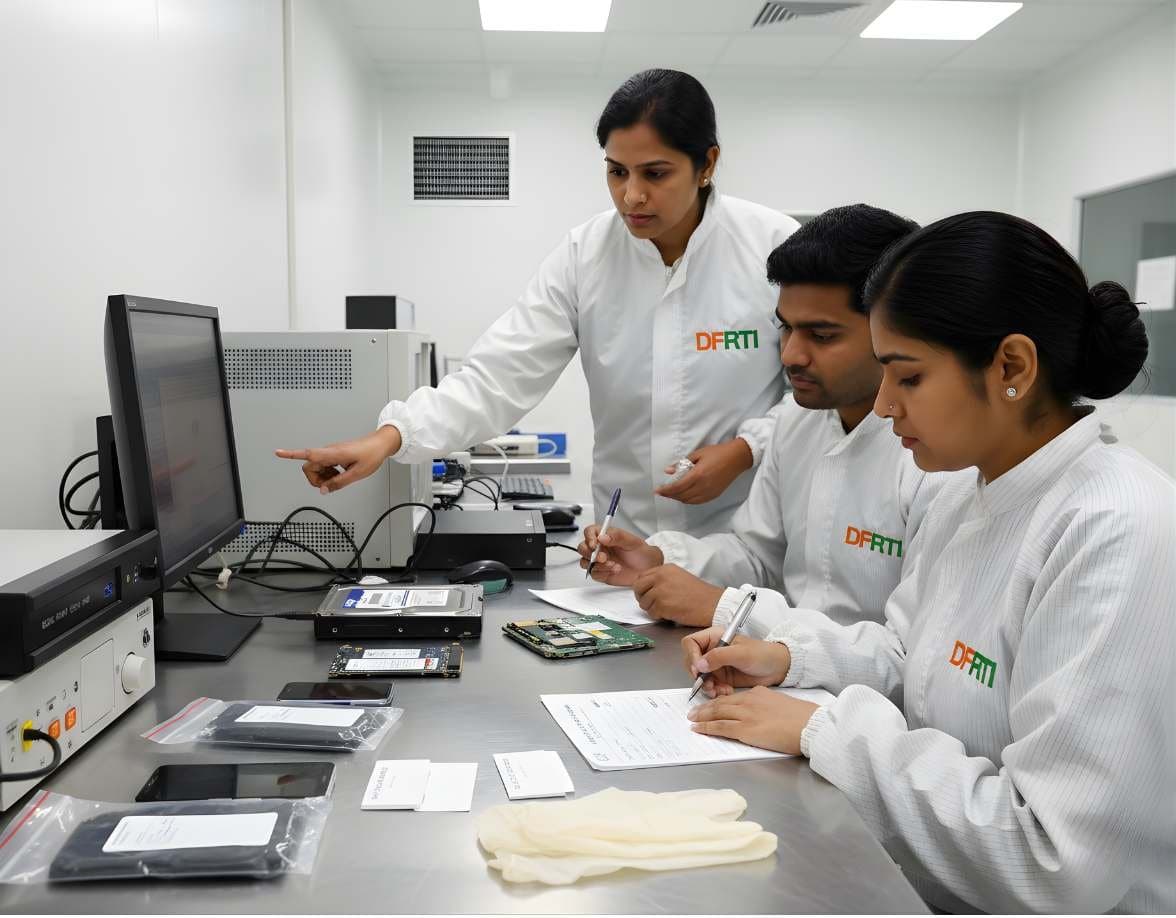 StorageDigital Storage ForensicsSSD / NVMe ForensicsHow TRIM, garbage collection and wear levelling change evidence on SSD and NVMe drives.
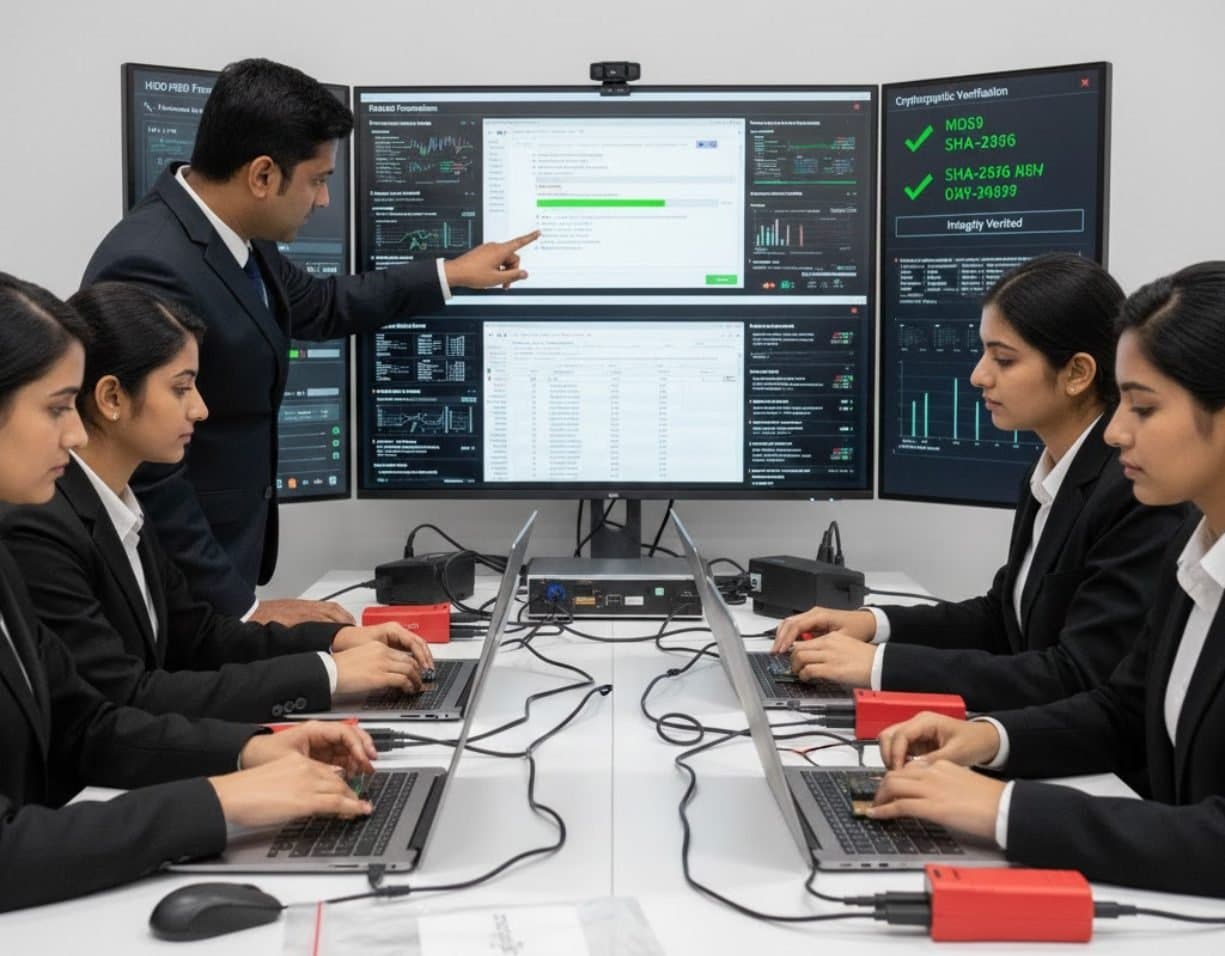 StorageDigital Storage ForensicsUSB / Pen Drive ForensicsExamine pen drives and memory sticks and prove which USB device touched which computer.
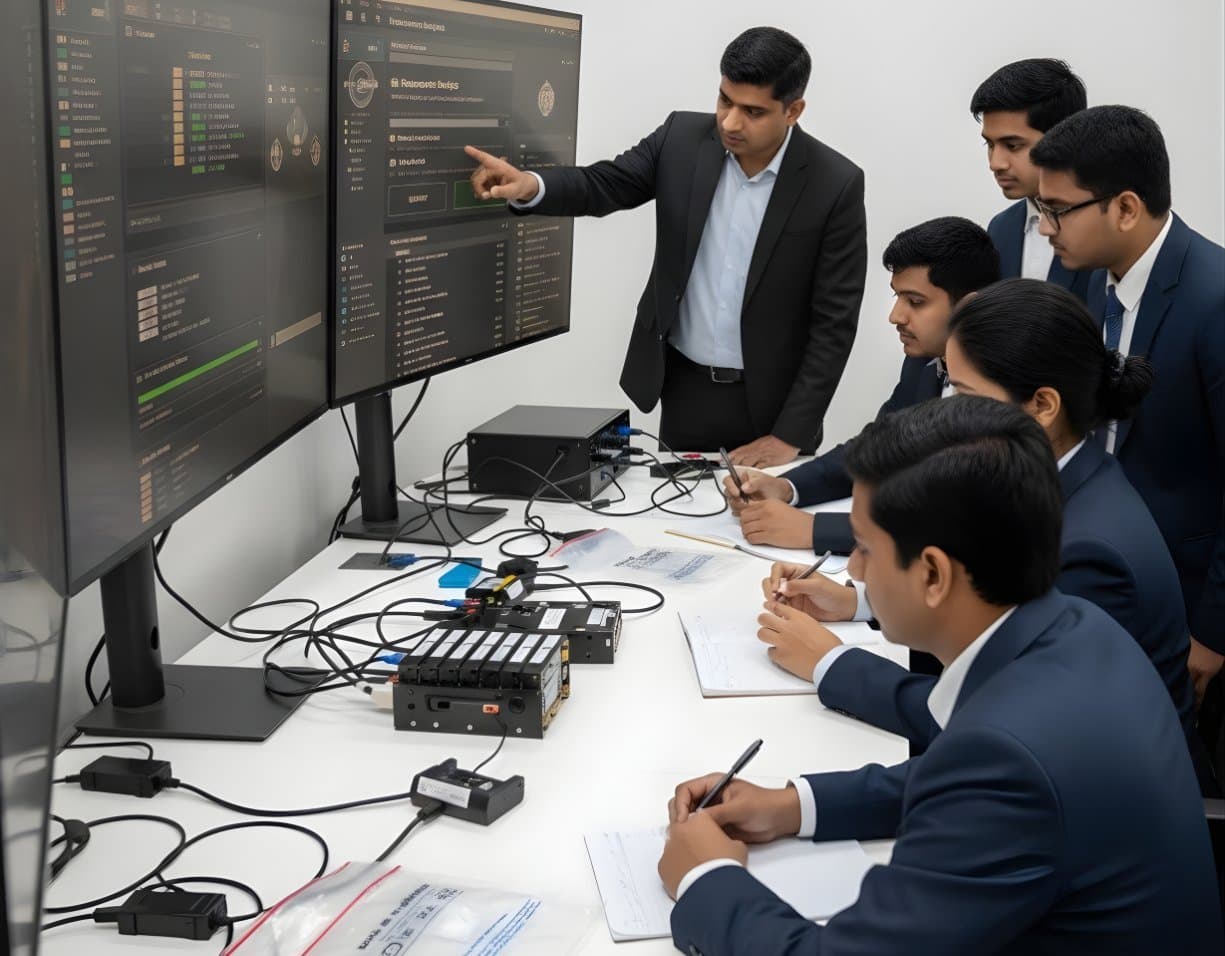 StorageDigital Storage ForensicsRAID / NAS ForensicsImage RAID members, rebuild arrays virtually and examine NAS boxes after ransomware.
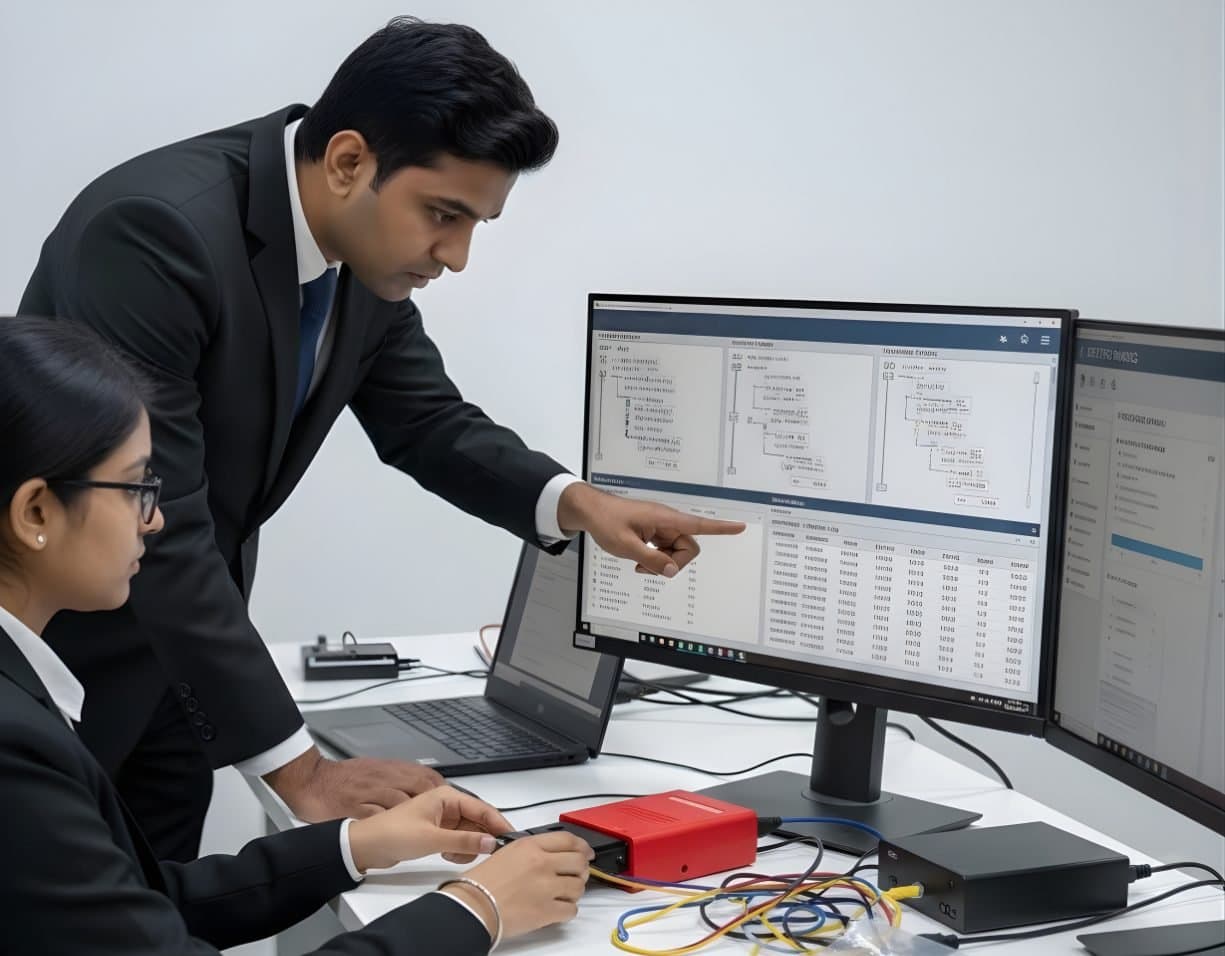 StorageDigital Storage ForensicsFile System AnalysisRead NTFS, FAT, exFAT, ext4 and APFS at the structure level and build timelines.
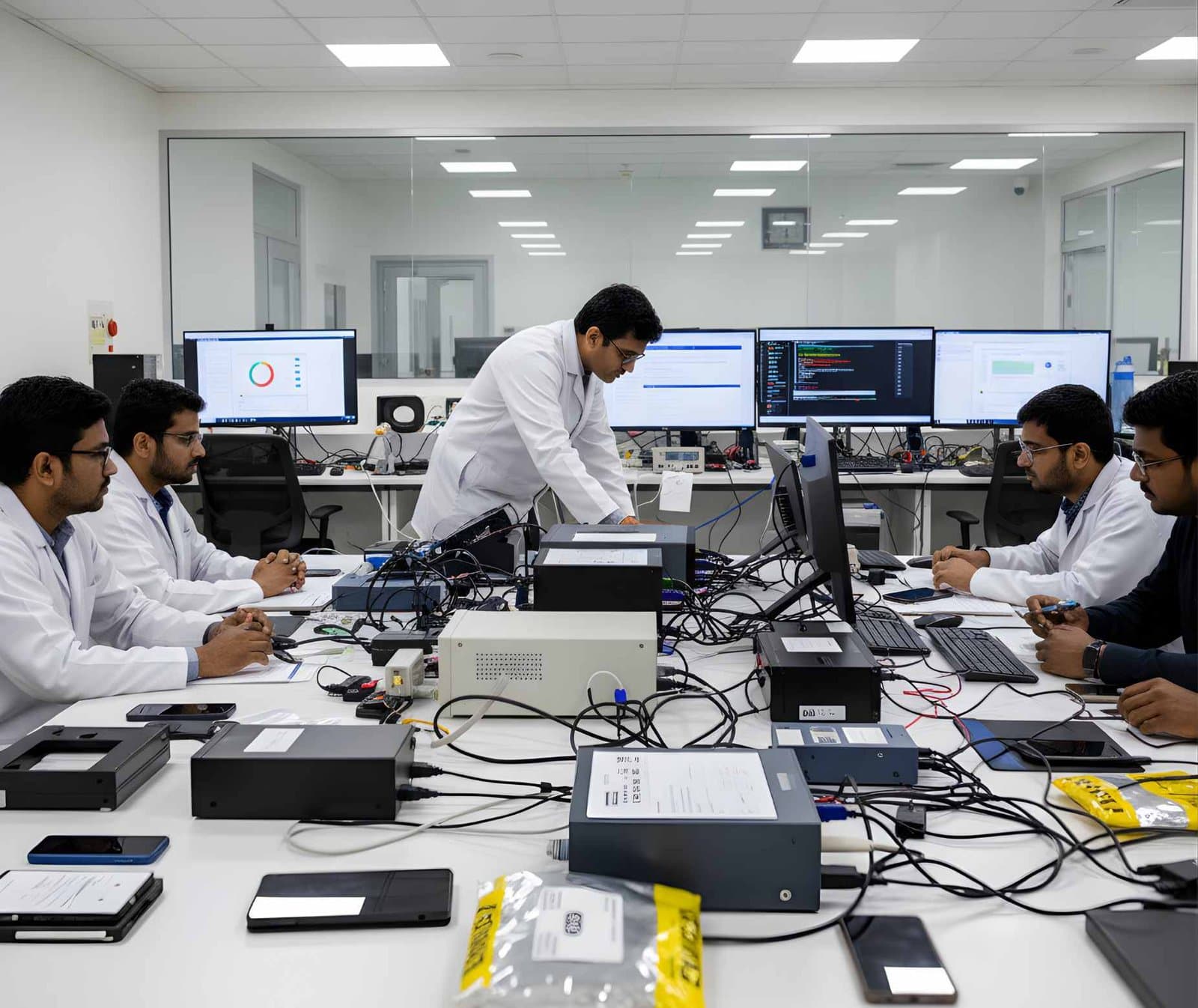 LegalFoundation & Legal CoursesBasics of Cyber ForensicsStart here. Evidence handling, imaging, hashing, chain of custody and your first analysis.
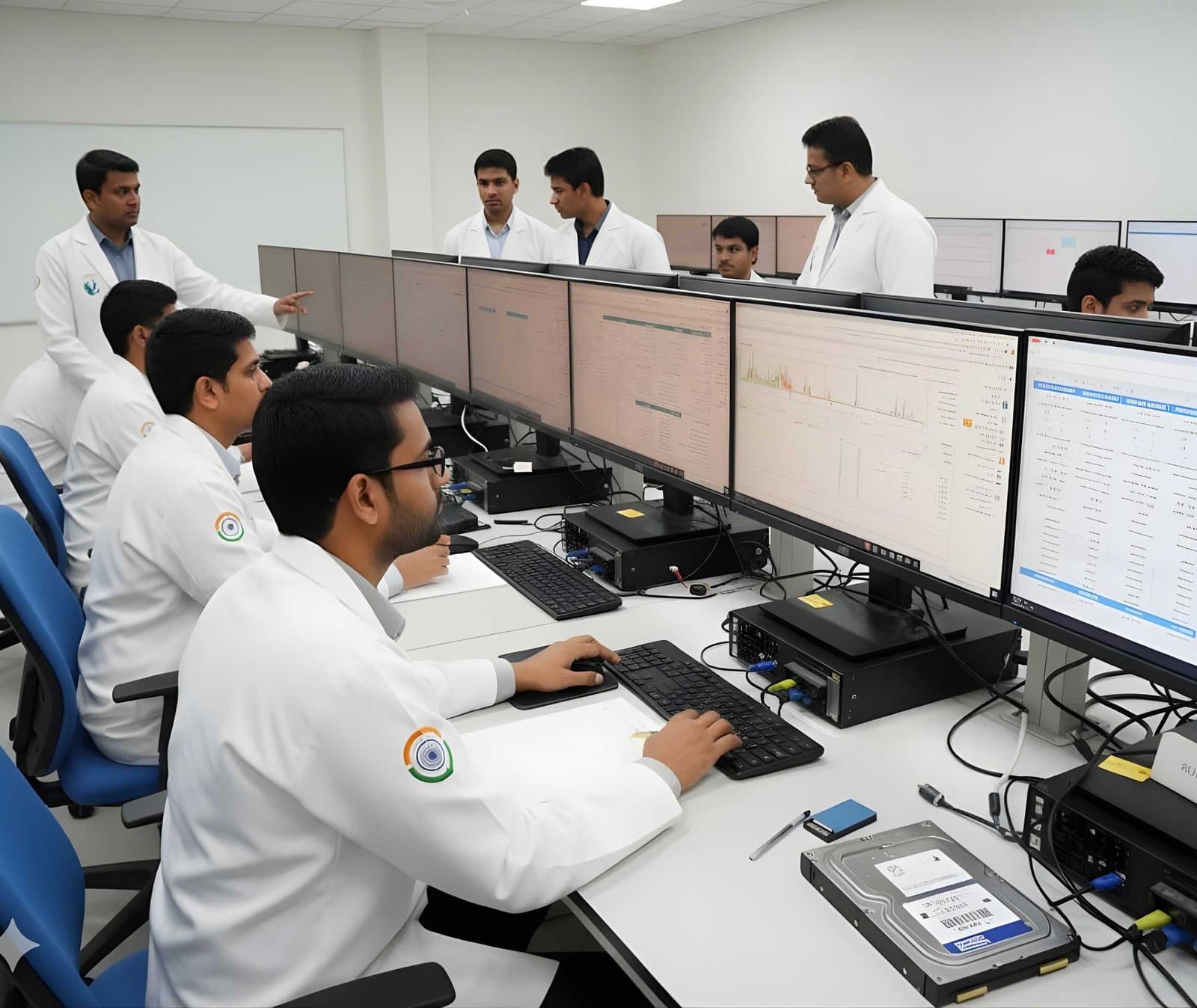 LegalFoundation & Legal CoursesForensic Report WritingWrite clear forensic reports that answer the questions asked and survive cross-examination.
 LegalFoundation & Legal CoursesLegal & Court ProceduresIndian law on electronic evidence: BSA Section 63, BNSS search and seizure and the IT Act.
More in Certifications
Not sure this is the right one for you?
Tell us your background and what you want to do next. A counsellor will suggest a course and the next batch.