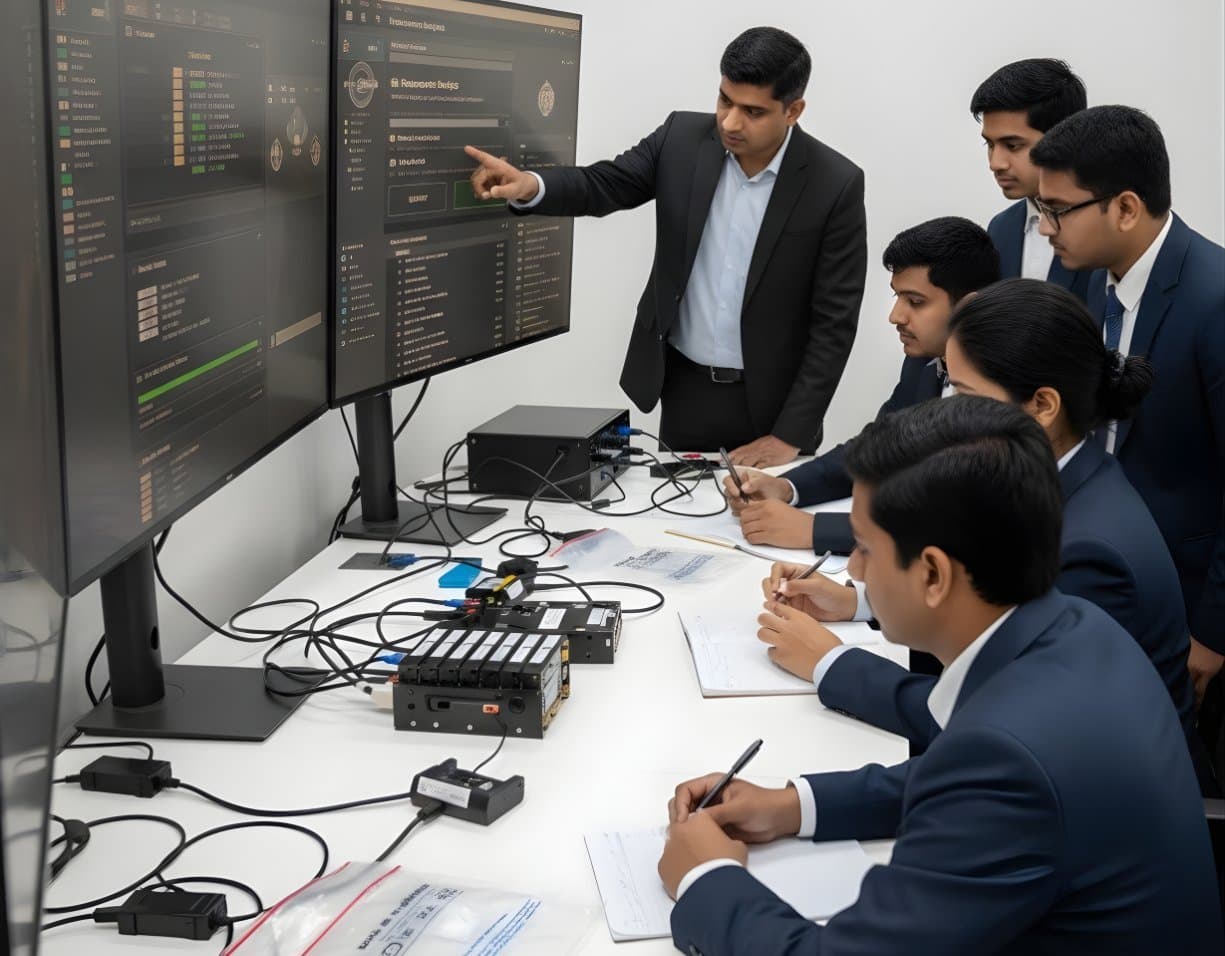
 StorageDigital Storage ForensicsRAID / NAS ForensicsImage RAID members, rebuild arrays virtually and examine NAS boxes after ransomware.
Collaborate on Research
We want to push forward how digital evidence is acquired, analysed, validated and automated. If your research or project is in digital forensics, you can work with our experts, labs and datasets.
Why collaborate with DFRTI
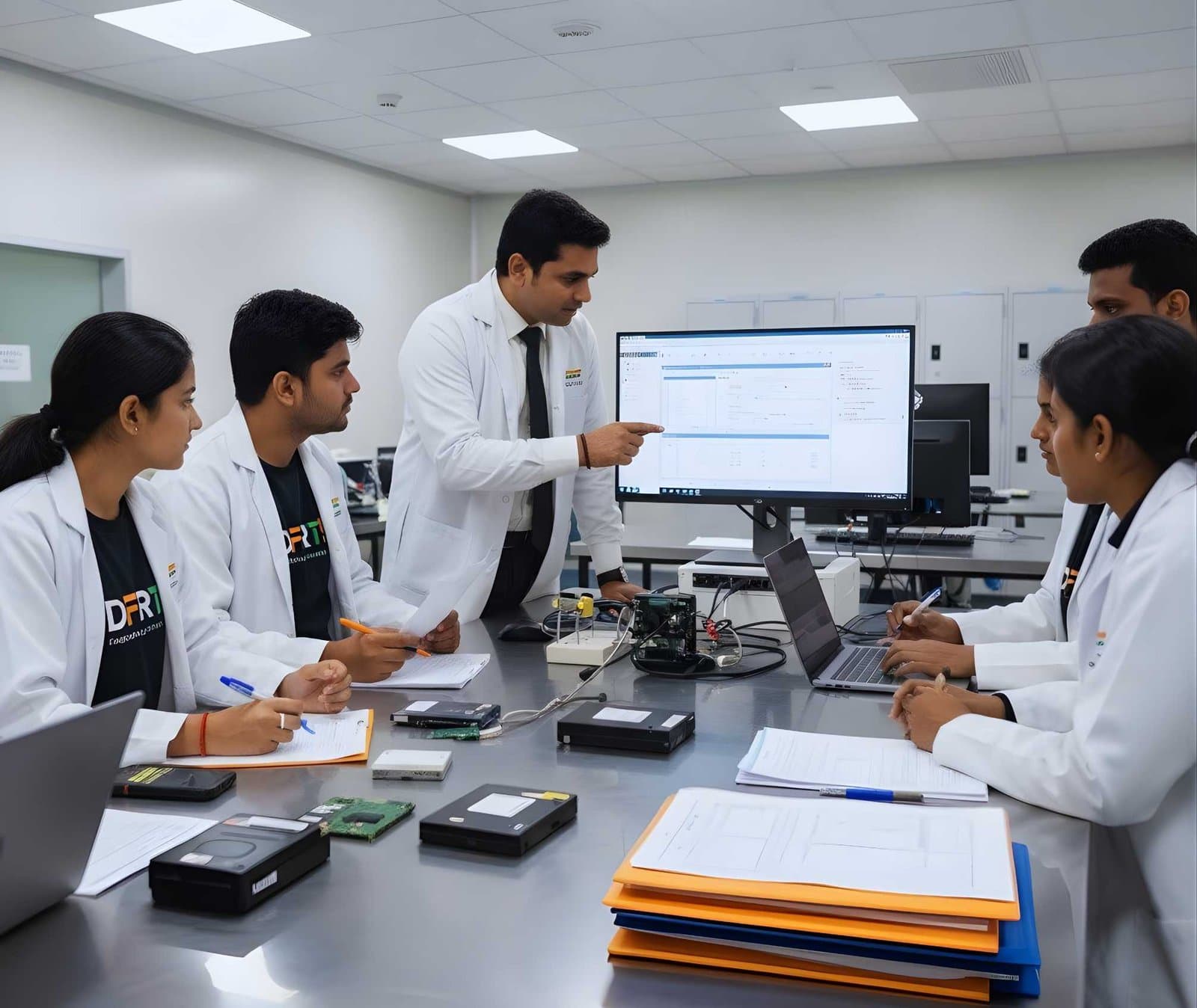
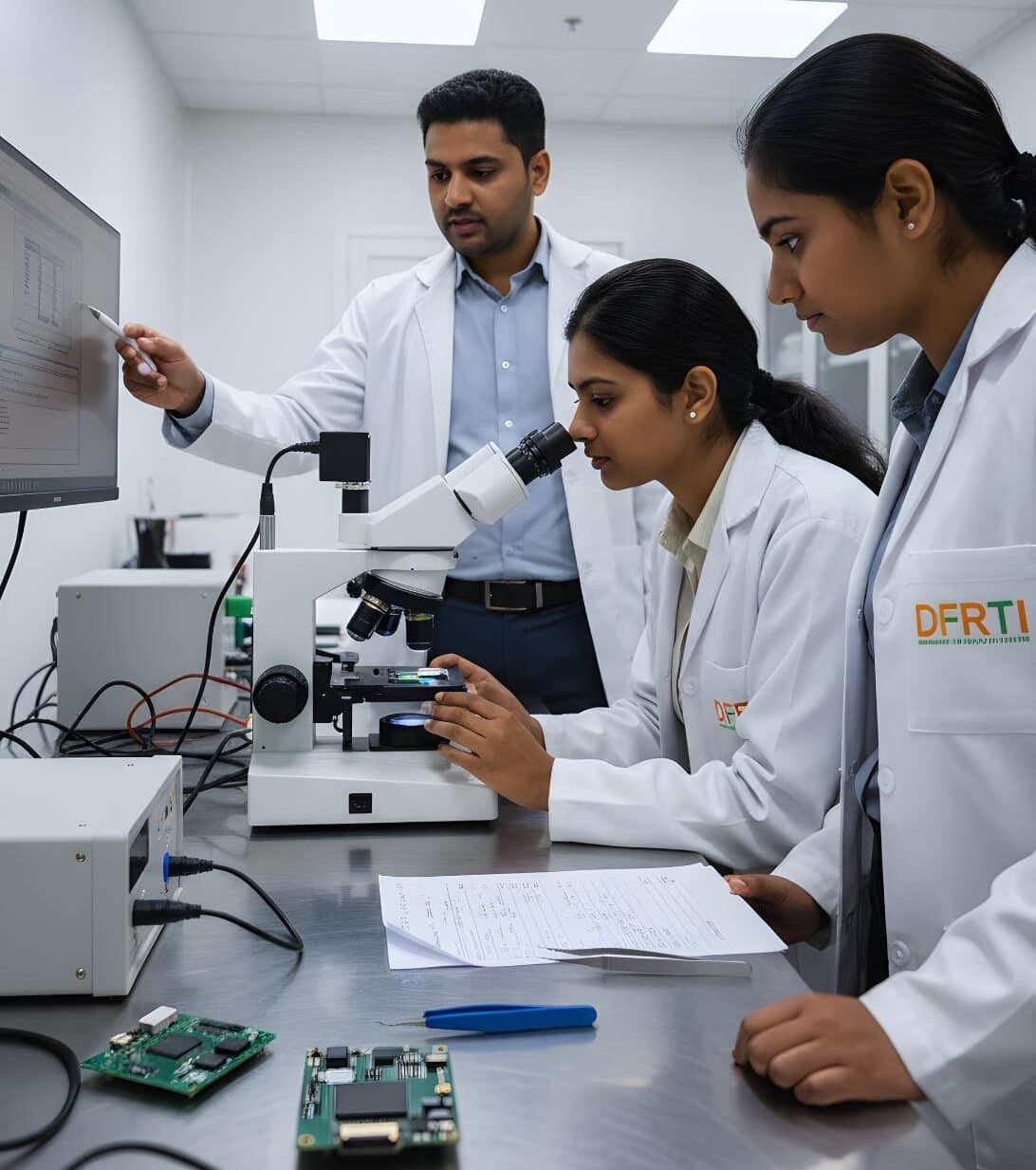
Our partners include universities, researchers, start-ups, forensic practitioners and tool developers. What they get from us is a team and a lab that work only on digital evidence, from storage, mobile, memory, video, IoT and network forensics to AI-based forensic models.
We give students and researchers authentic, sanitised forensic datasets to work with, always under strict ethical and legal rules.
- Storage and disk forensics lab
- Mobile and IoT device forensics lab
- RAM and memory forensics lab
- Network and cloud artefact lab
- CCTV, DVR and multimedia forensics lab
- AI/ML evidence processing unit
Datasets available to partners
All data is sanitised or synthetic and handled under strict ethical and legal rules.
- Sanitised disk images
- Mobile forensic datasets
- Memory dumps
- DVR streams
- Cloud logs
- Synthetic forensic data
Priority research areas
- Storage and disk
NVMe and SSD recovery, wear levelling, RAID and NAS rebuilds, file carving and anti-forensics detection.
- Mobile and IoT
Locked device extraction, IoT acquisition methods, drone logs and sensors, and TEE and Secure Enclave behaviour.
- Memory and malware
RAM timelines, injection detection, cryptographic artefacts in memory and traces of polymorphic malware.
- Multimedia and video
DVR format decoding, deepfake validation, metadata tamper detection and AI-assisted enhancement.
- Network and cloud
VM artefact extraction, hypervisor analysis and rebuilding evidence from packets.
- Blockchain and cryptocurrency
Wallet and ledger tracing, blockchain metadata and flow and linkage analysis.
- AI/ML in forensics
Artefact classification, evidence similarity scoring and explainable AI for use in court.
- Forensic tool development
Parsers and decoders, automation, verification frameworks and dataset pipelines.
Who we work with
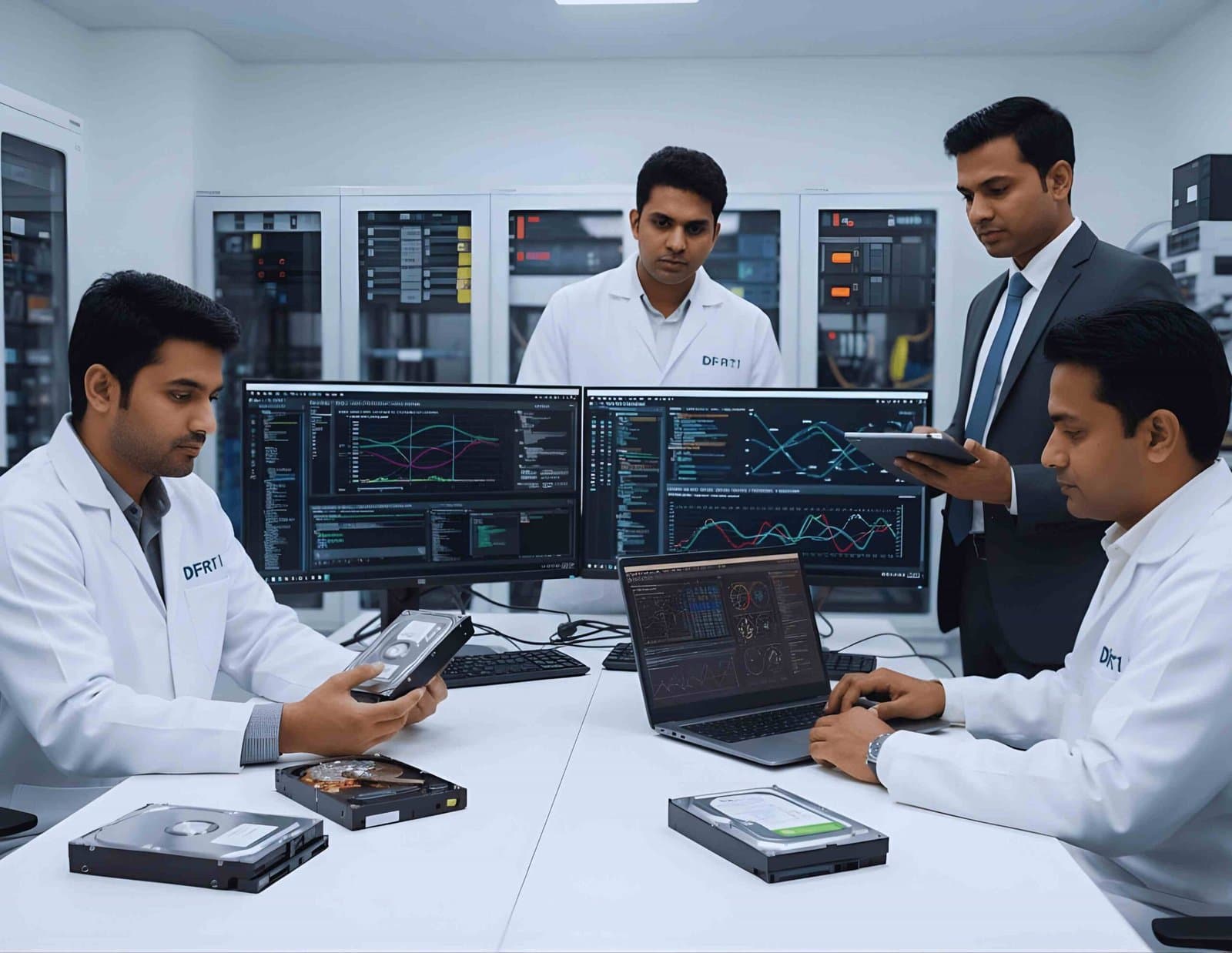
Good forensic research needs people from different fields. We bring together forensic analysts, data and network engineers, AI/ML specialists and legal advisors, so projects get real-world input from the start.
- Universities and research departments: thesis support, sponsored labs and co-authored papers
- Government and law enforcement: specialised tool development and capability building
- Independent researchers: bring your idea and get mentorship, lab support and evaluation
- Start-ups and technology companies: co-develop forensic tools, libraries and AI models
- Open-source developers: validation, testing and prototyping
Ways to collaborate
- Joint research projects
Work together on algorithms, tools, datasets or methods.
- Sponsored research
Organisations can fund research towards a specific forensic goal.
- Tool development and validation
Build a new tool with us or test your existing forensic software.
- Academic research support
Support for PhD, M.Tech and B.Tech research in digital forensics.
- Specialised datasets
Access for tool testing, model building or validation studies.
What your proposal should include
- Project title
- Problem statement
- Research objectives
- Proposed method
- Support you need from DFRTI
- Timeline
- Expected deliverables
- Ethical and legal considerations
- Your background and institution
- Reference material, if any
How the process works
- 01Submit your proposal
Send your details through the research proposal form.
- 02Evaluation
Our research committee reviews feasibility, originality and ethical compliance, usually within 7 to 14 days.
- 03Consultation and scope
We discuss changes, goals, resources and how the collaboration will be set up.
- 04Agreement and onboarding
An MoU or NDA if needed, researchers assigned and lab access given where it applies.
- 05Execution and review
The work goes ahead with regular reviews and technical guidance.
- 06Publication or release
Joint credit, a public showcase, a tool release or documentation, or integration into DFRTI's research work.
Related courses
StorageDigital Storage ForensicsRAID / NAS ForensicsImage RAID members, rebuild arrays virtually and examine NAS boxes after ransomware. MobileMobile & IoT ForensicsIoT Device ForensicsEvidence from smart speakers, cameras, wearables and routers, plus firmware extraction basics
 AdvancedAdvanced & Specialised ForensicsCryptocurrency / Blockchain ForensicsTrace bitcoin and USDT flows, group wallets and prepare requests to exchanges
 VideoSurveillance & Image / Video ForensicsDeepfake / AI ForensicsExamine face swaps and AI-made media, check C2PA provenance and know where detectors fail
More in Research
Not sure this is the right one for you?
Tell us your background and what you want to do next. A counsellor will suggest a course and the next batch.