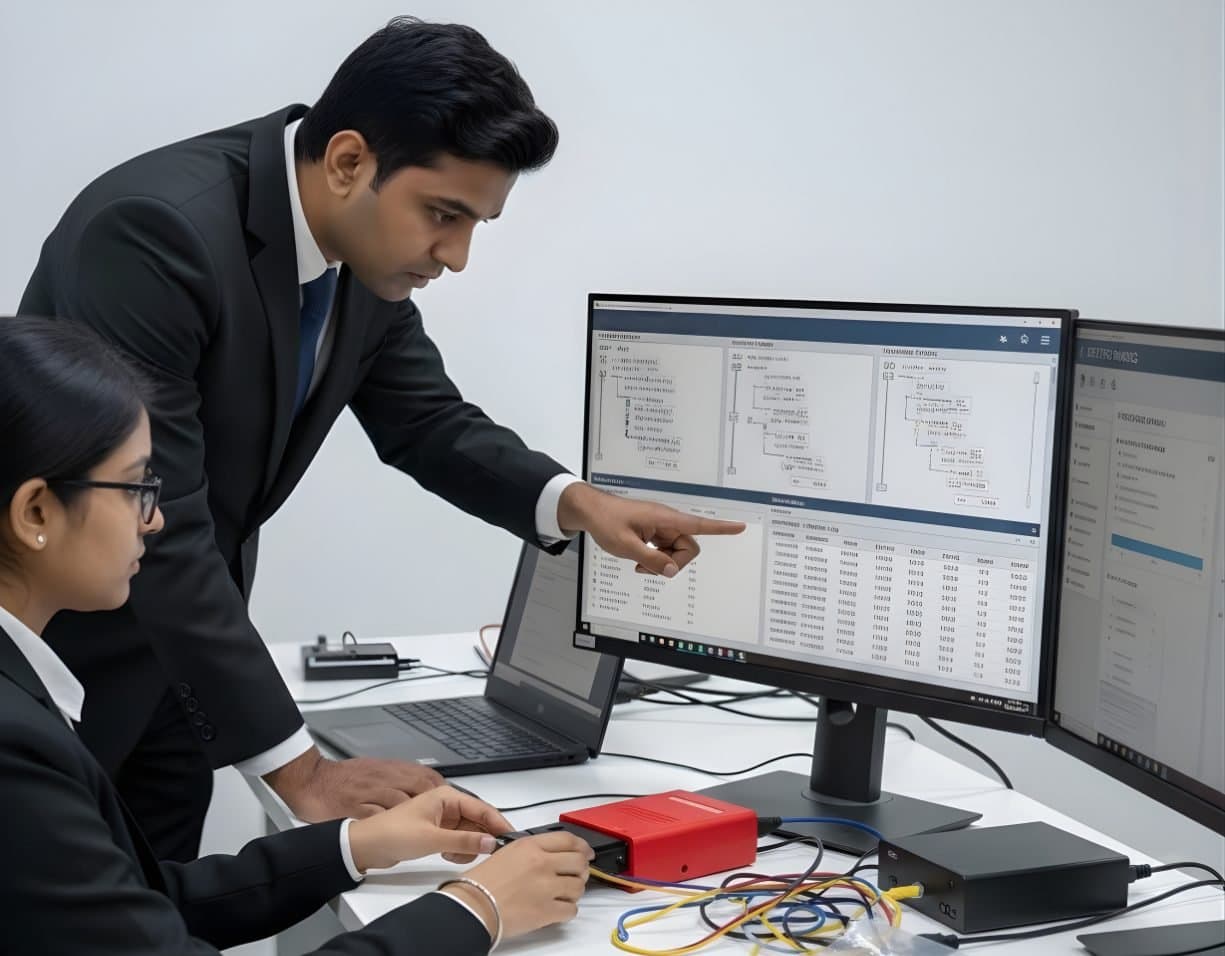
 StorageDigital Storage ForensicsFile System AnalysisRead NTFS, FAT, exFAT, ext4 and APFS at the structure level and build timelines.
DFRTI Tools & Innovations
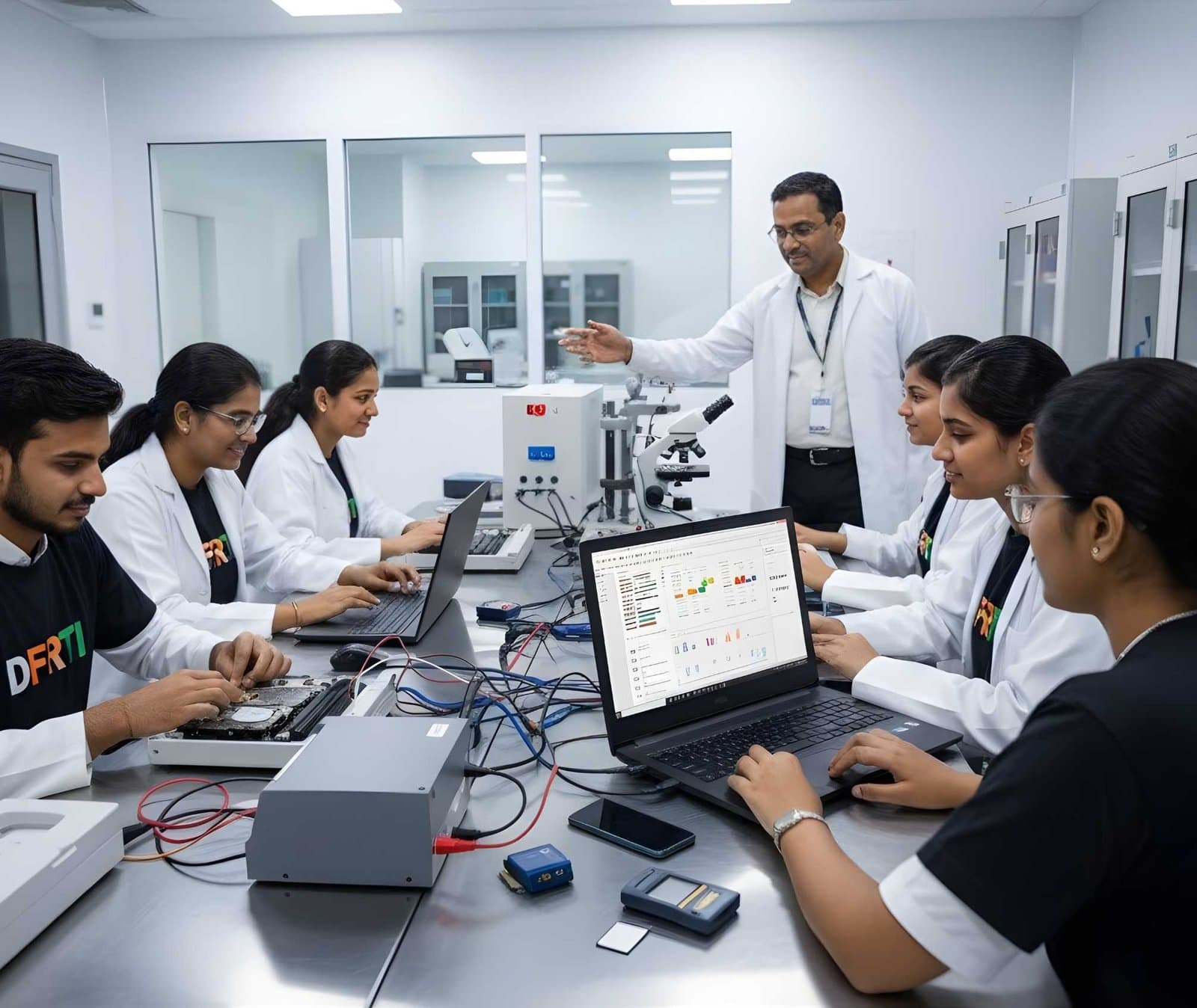
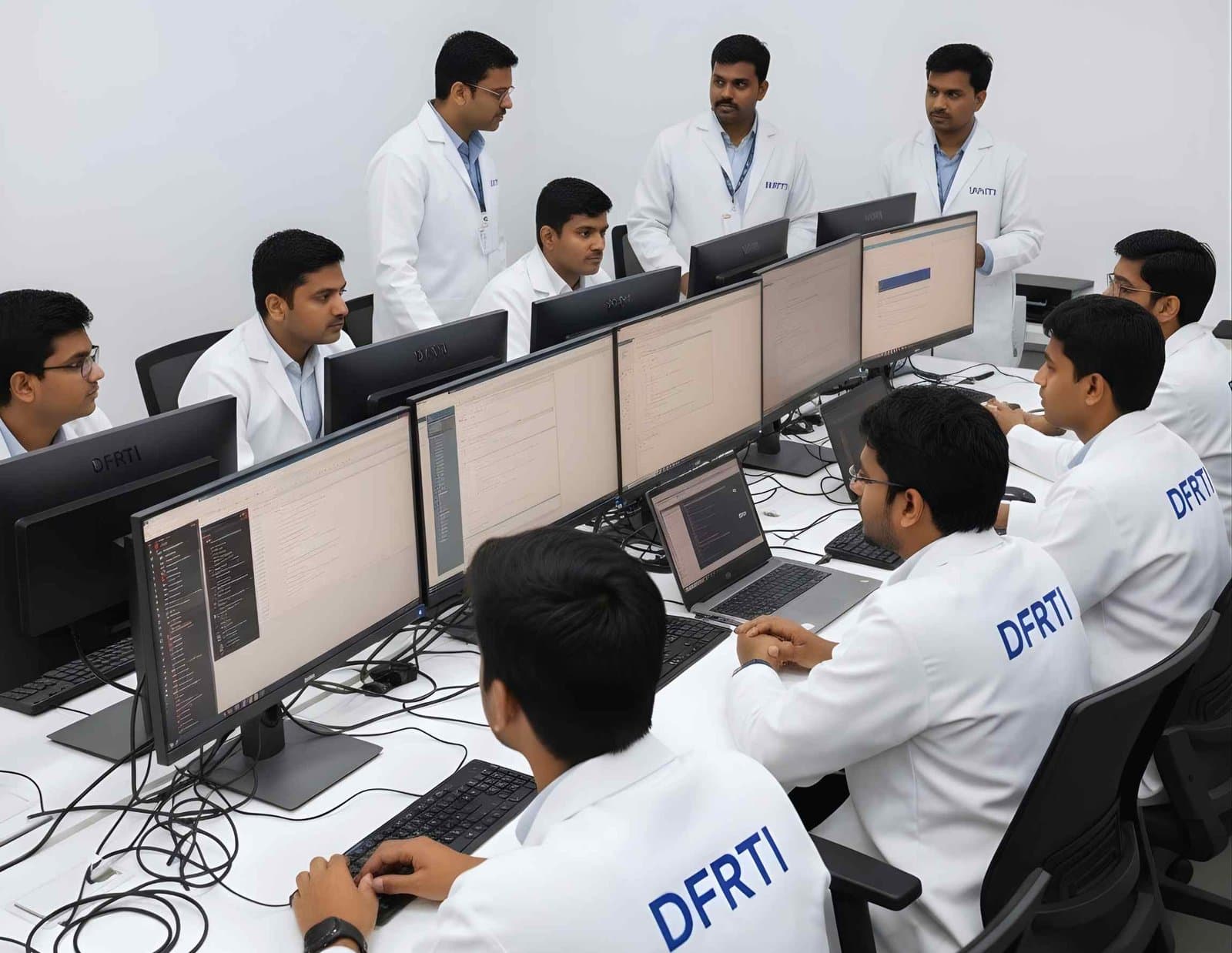
We build forensic tools for storage, mobile, cloud, memory and malware work. The aim is simple: more accurate evidence, found faster, with every step on record.
Why we build our own tools
Commercial suites like EnCase, X-Ways Forensics and Magnet AXIOM handle the common cases well. Investigators still meet data that no suite reads yet: a new chat app's database, a DVR from a little-known maker, a log format from an IoT hub. When that happens, someone has to write a parser and prove it gives the right answer.
That is the gap our tool work fills. Most of it starts in our research areas and in questions that come up during training.
What we work on
- Parsers and decoders
Code that reads app databases, proprietary DVR containers, drone logs and other formats and turns them into readable evidence.
- Automation
Scripts and workflows for repeat tasks such as hashing, triage, timeline building and report drafts, so examiners spend their time on analysis.
- Verification frameworks
Test harnesses that run a tool against reference data and check its output, so you know when an update changes the result.
- Dataset generation
Pipelines that produce disk images, phone extractions and memory dumps with known contents, for testing and teaching.
How a tool is checked before use
A forensic tool is only useful if its output can be trusted in court. Every tool goes through the same checks.
- 01Known test data
We build a dataset where we know exactly what is there, down to deleted files and timestamps.
- 02Read-only handling
We confirm the tool works on a copy and changes nothing in the source, by hashing before and after.
- 03Compare results
Its output is checked against the known contents and against an established tool where one exists.
- 04Record the limits
We write down what the tool cannot read or may get wrong, so an examiner knows when to double-check.
- 05Retest on update
Each new version runs through the same tests before it replaces the old one.
Areas our tools support
- Storage: HDD, SSD, pen drives, memory cards and RAID volumes
- Mobile: Android and iOS app data and device artefacts
- Cloud: logs and files collected from online accounts
- Memory: RAM captures and the artefacts inside them
- Malware: triage and analysis support during incident response
- Video: CCTV and DVR footage and image metadata
Common questions
Can I help build or test a tool?
Yes. Tool development and validation is one of our collaboration types. See the Collaborate page or write to care@dfrti.com.
Do your tools replace commercial forensic suites?
No. They fill gaps and help check results. Good practice is to confirm an important finding with more than one tool.
Can we test our own forensic software against your datasets?
Our specialised datasets are available to partners for tool testing and validation studies. Get in touch to discuss what you need.
Related courses
StorageDigital Storage ForensicsFile System AnalysisRead NTFS, FAT, exFAT, ext4 and APFS at the structure level and build timelines. MalwareIncident Response & Malware AnalysisMalware Reverse EngineeringTake malware apart safely with static and dynamic analysis, Ghidra, x64dbg and YARA.
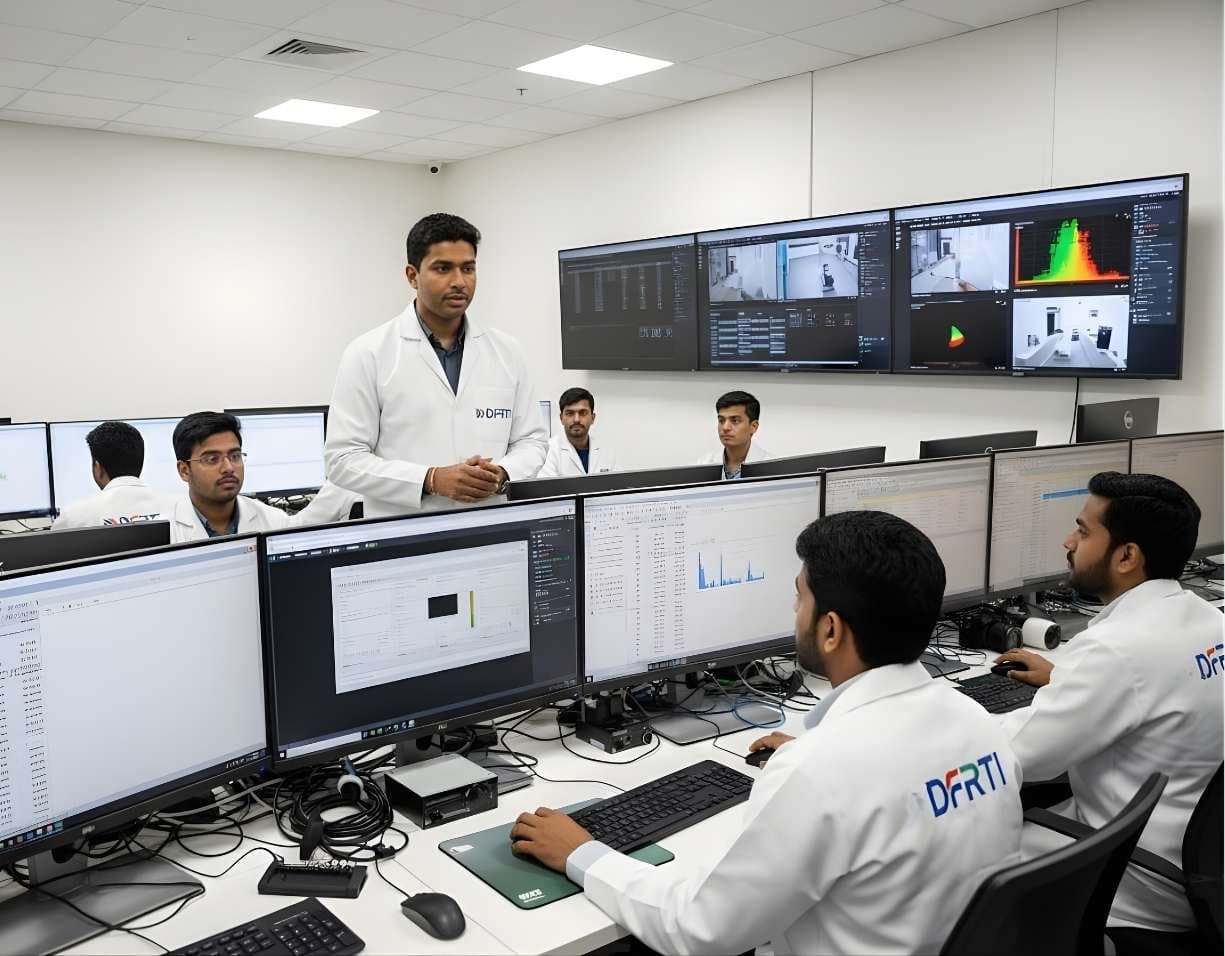 VideoSurveillance & Image / Video ForensicsImage & Video MetadataRead EXIF, XMP, GPS tags and MP4 atoms with ExifTool and know what each field can prove
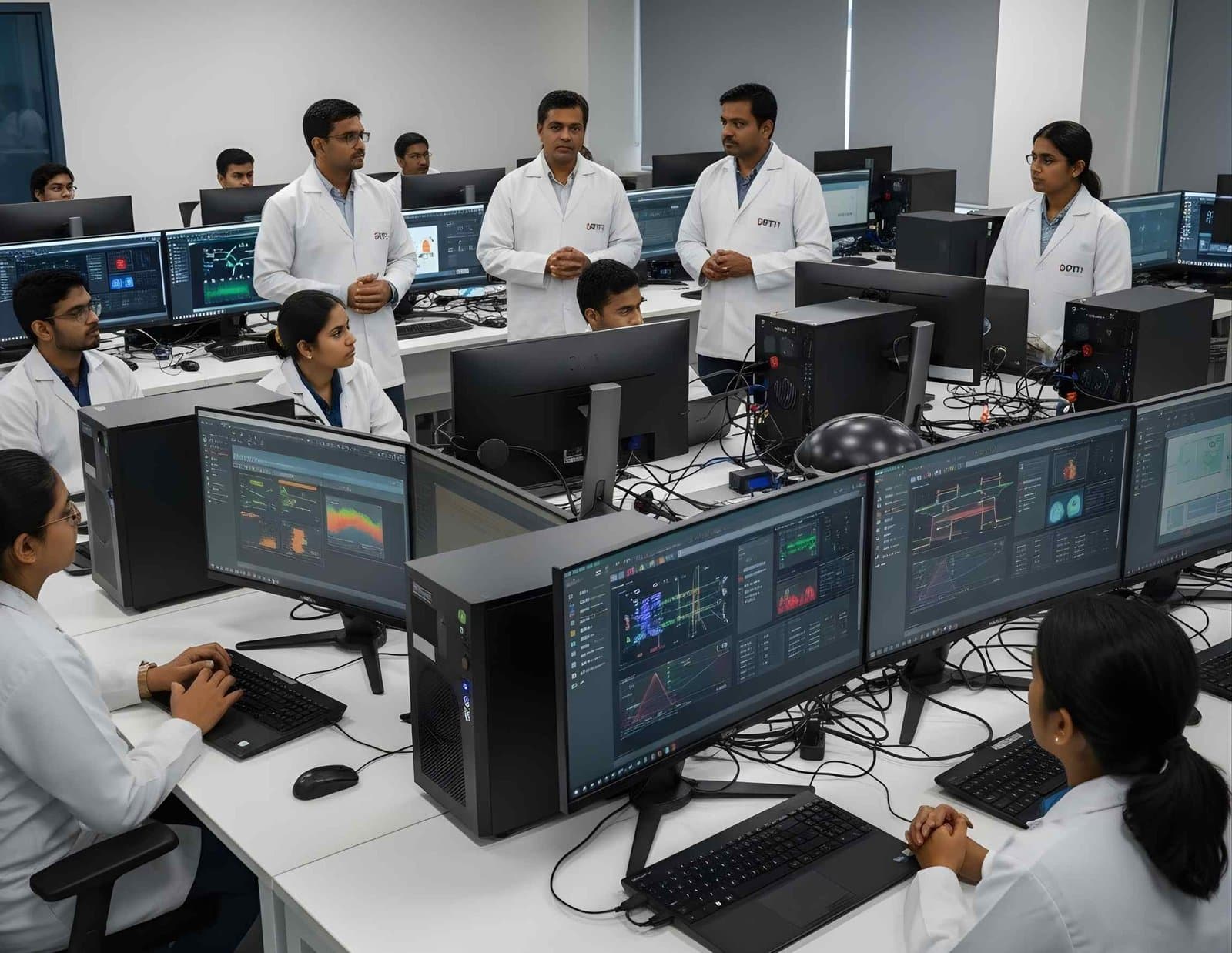 AdvancedAdvanced & Specialised ForensicsAI / Machine Learning ForensicsUse machine learning to sort large evidence sets and investigate AI systems
Not sure this is the right one for you?
Tell us your background and what you want to do next. A counsellor will suggest a course and the next batch.