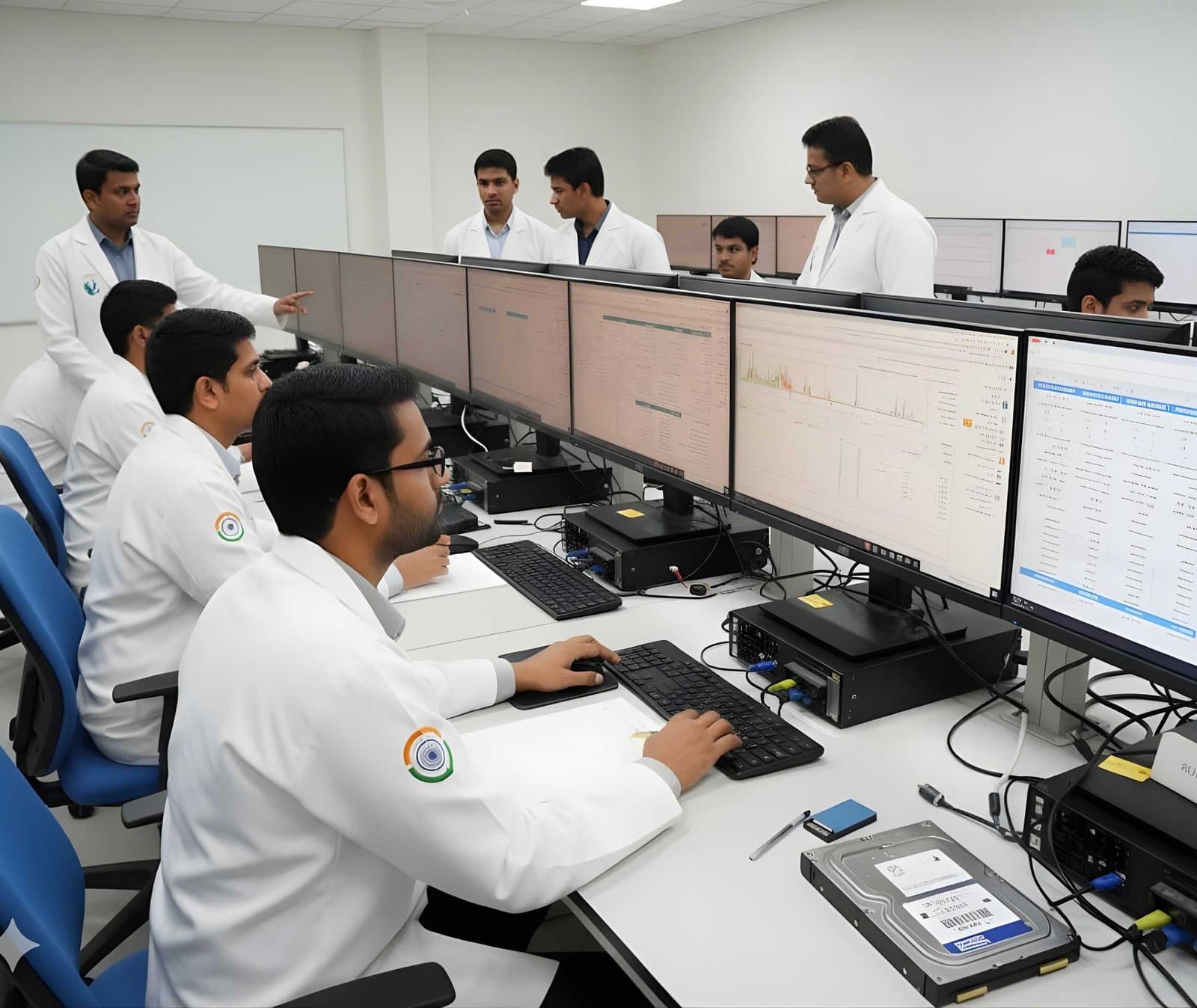
 LegalFoundation & Legal CoursesForensic Report WritingWrite clear forensic reports that answer the questions asked and survive cross-examination.
Publications & Case Studies
Research papers, case studies and investigation reports for analysts, teachers and forensic researchers. Written to show method, so readers can apply it to their own cases.

What we publish
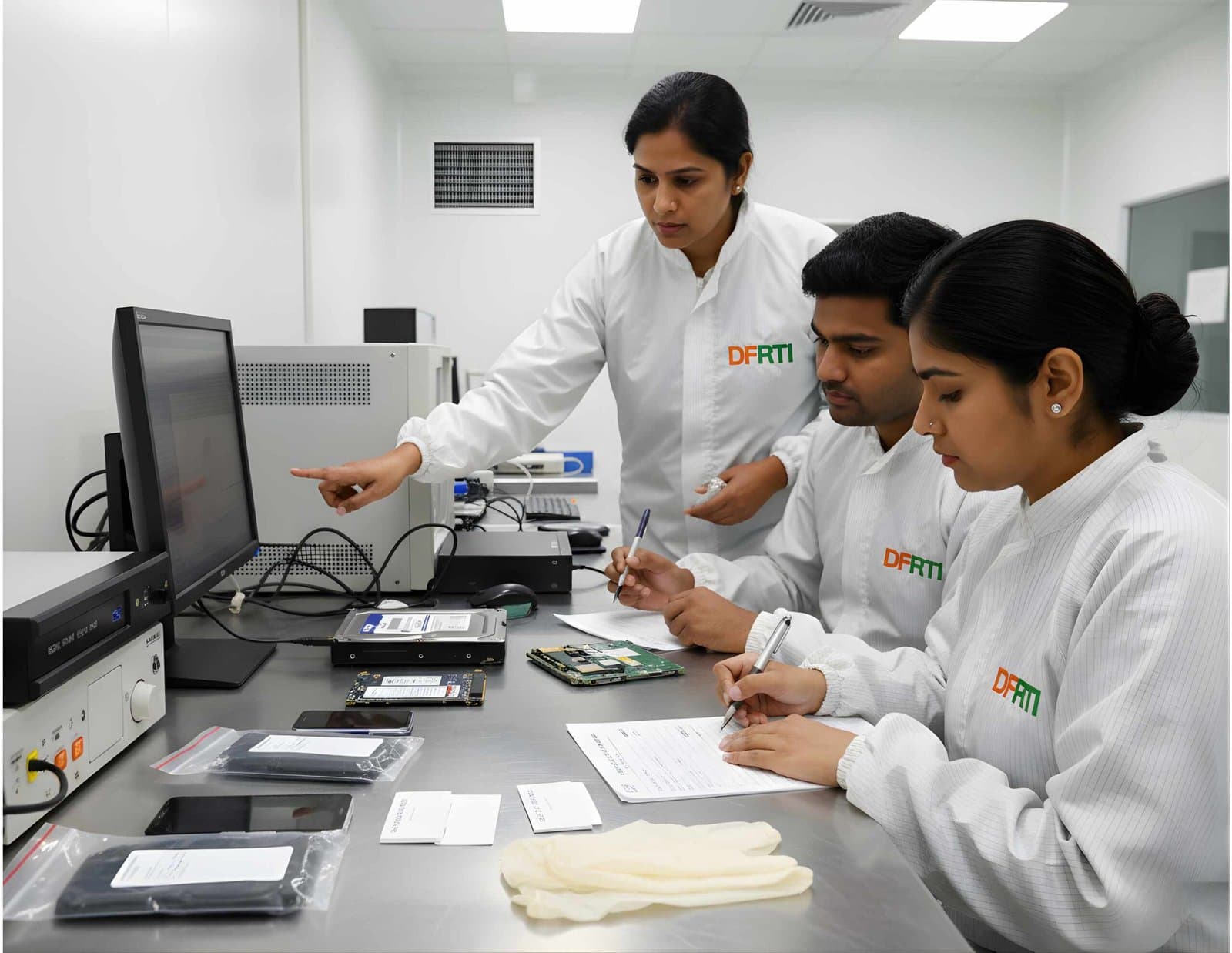
DFRTI publishes three kinds of writing. Articles explain a technique or a tool in practical terms. Case studies walk through an investigation from the first exhibit to the final report. Research write-ups describe a problem we studied in the lab, how we tested it and what we found.
All three have the same goal. A reader should come away knowing how to do something, and why each step matters.
Topics we cover
- Disk and storage forensics
Techniques, tools and cases on recovering and analysing evidence from drives and storage media.
- Mobile and IoT forensics
Android, iOS, drones and IoT devices, with the tools and methods used in practice.
- Network and cloud forensics
Traffic analysis, cloud storage investigation and securing evidence from online services.
- Video and image forensics
CCTV footage, metadata extraction and detecting AI edits and deepfakes.
- Malware and incident response
Step-by-step methods for ransomware, malware and memory-based threats.
- Legal and compliance
Evidence handling, report writing and court procedure so findings stay admissible.
How a DFRTI case study is laid out
Case studies follow the order of a real examination, so they double as a teaching tool.
- 01The brief
What came in, who asked and what question the examiner had to answer.
- 02Acquisition
How each exhibit was preserved and imaged, with the hash values used to prove the copy matches the original.
- 03Analysis
Which artefacts were examined, which tools were used and how each finding was cross-checked.
- 04Findings and limits
What the evidence shows, what it does not show and where another explanation is possible.
- 05Reporting
How the findings were written up and what a court or client needed from the report.
Who reads them
- Forensic analysts who want to compare their methods with others
- Teachers and trainers looking for real examples for class
- Students preparing for their first casework
- Lawyers who need to understand how a digital finding was reached
- Researchers looking for open problems worth studying
Write with us
If you have worked on a case or a research question that others could learn from, we would like to hear about it. Joint papers and co-authored case studies are part of our research collaborations. See the Collaborate page for how to send a proposal, or write to care@dfrti.com.
Related courses
LegalFoundation & Legal CoursesForensic Report WritingWrite clear forensic reports that answer the questions asked and survive cross-examination. LegalFoundation & Legal CoursesLegal & Court ProceduresIndian law on electronic evidence: BSA Section 63, BNSS search and seizure and the IT Act.
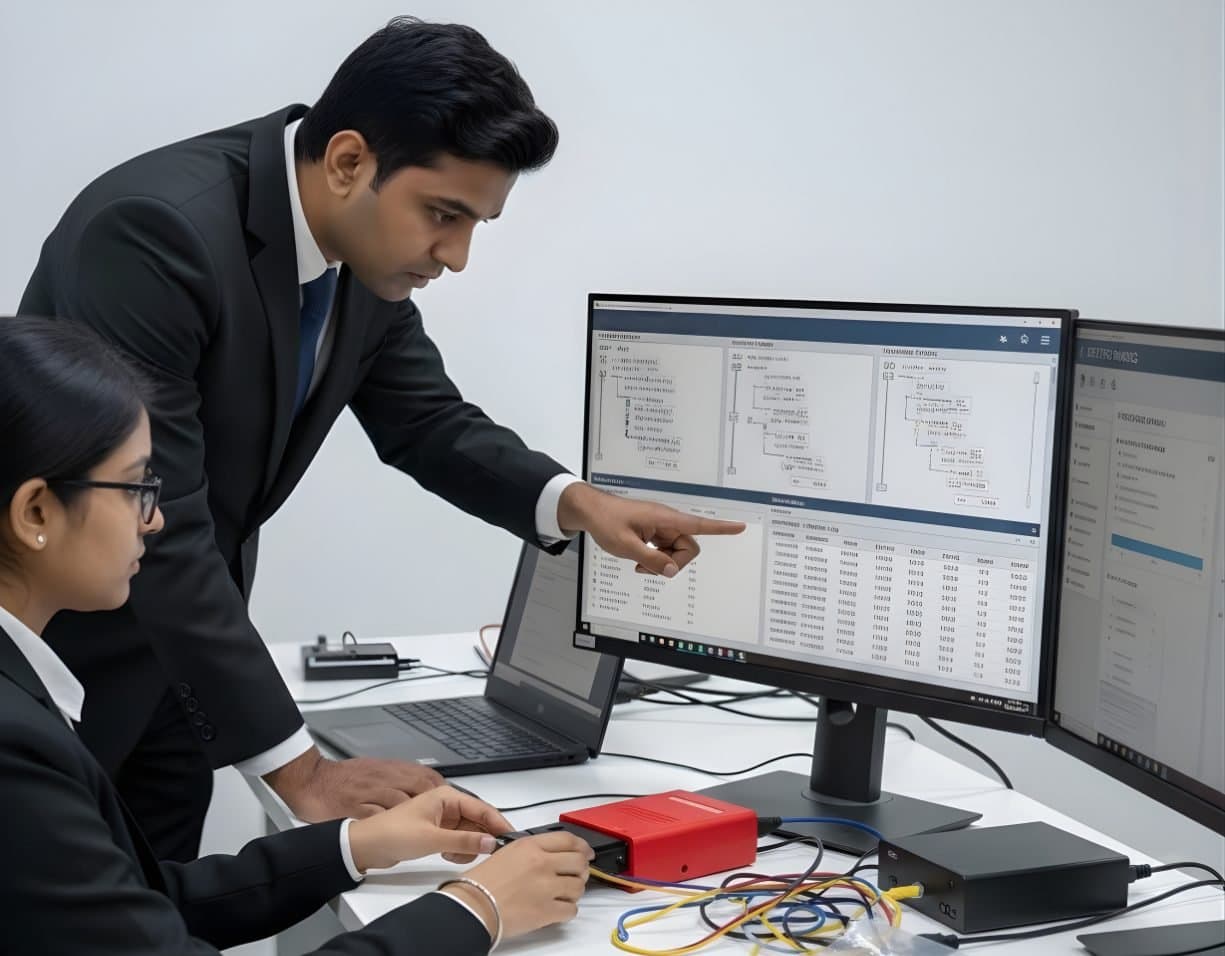 StorageDigital Storage ForensicsFile System AnalysisRead NTFS, FAT, exFAT, ext4 and APFS at the structure level and build timelines.
More in Research
Not sure this is the right one for you?
Tell us your background and what you want to do next. A counsellor will suggest a course and the next batch.