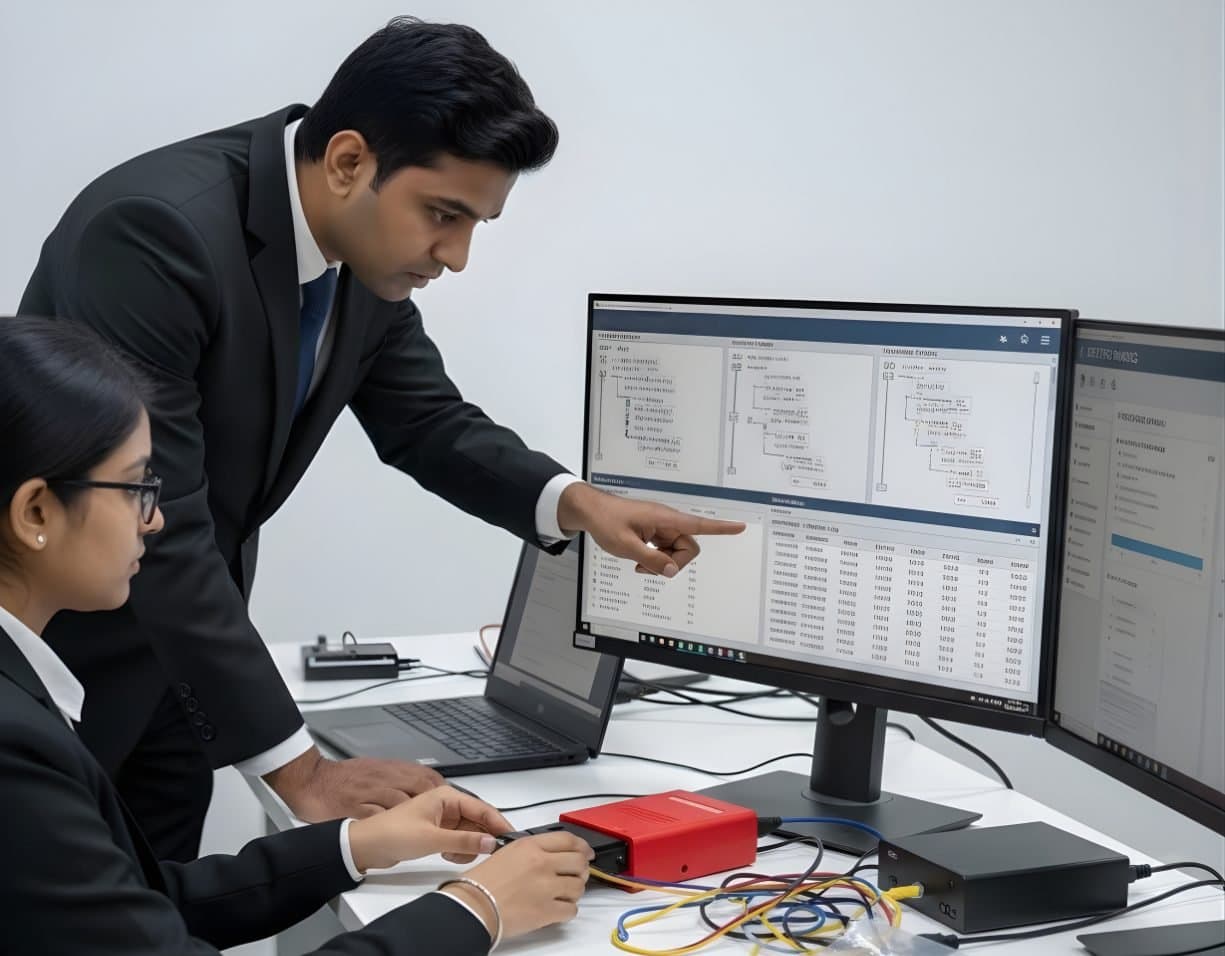
 StorageDigital Storage ForensicsFile System AnalysisRead NTFS, FAT, exFAT, ext4 and APFS at the structure level and build timelines.
Internship & Mentorship Programmes
Get real experience before your first job. Work on digital evidence cases with a mentor who reviews your work and helps you build the habits a forensic lab expects.
Learn by doing the work
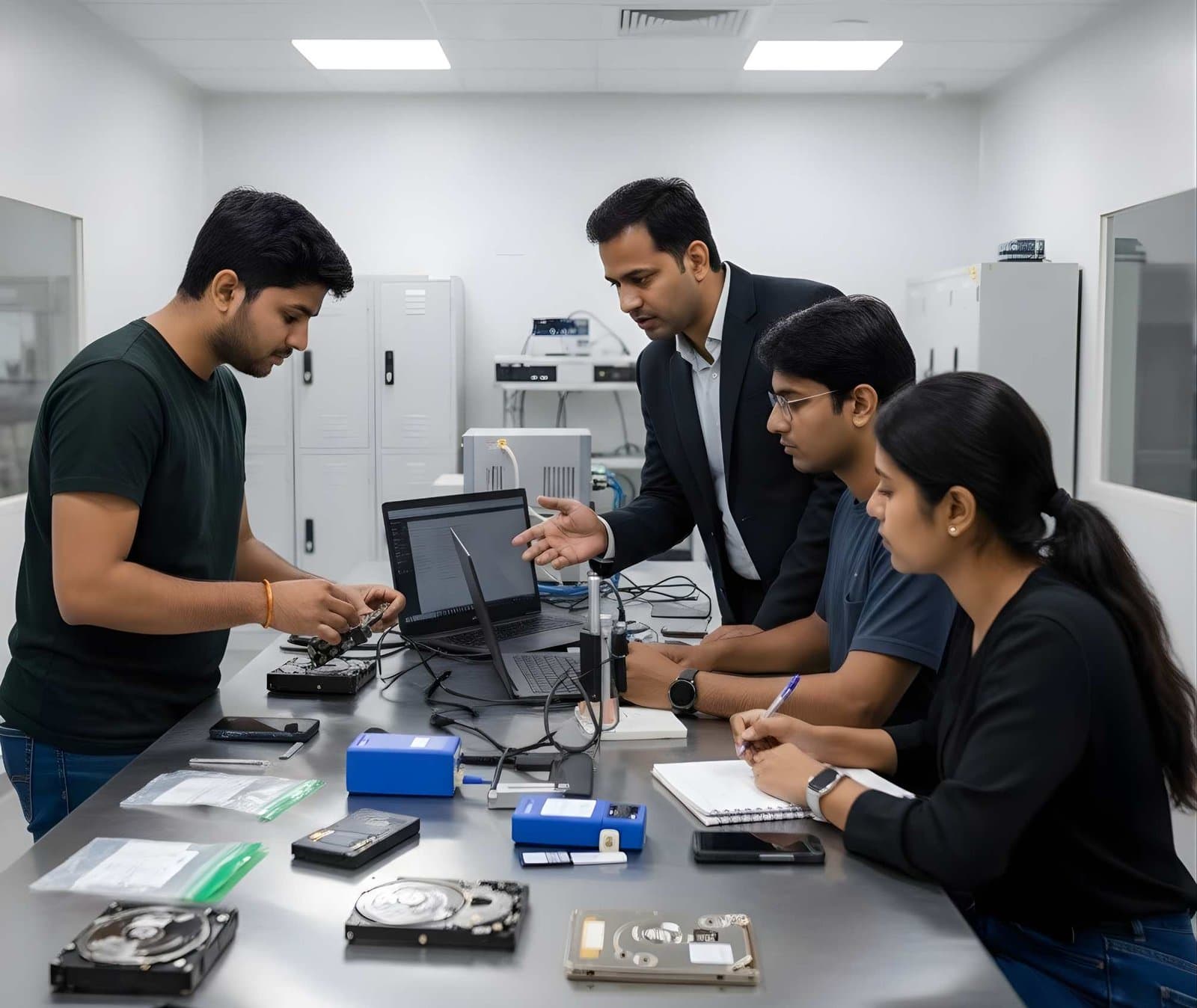
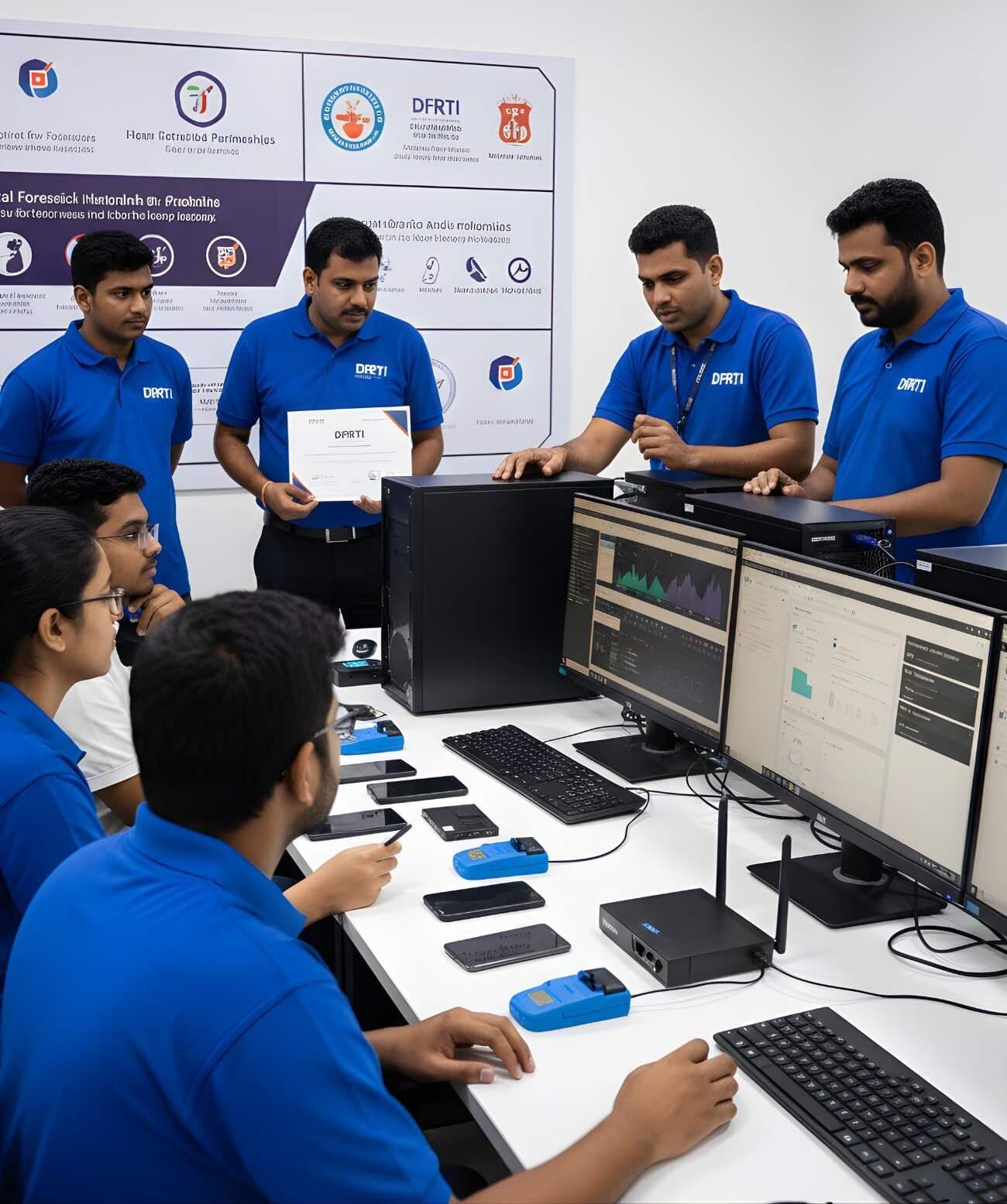
Most freshers know the theory of forensic imaging. Few have imaged a drive, verified the hash, written up the acquisition and then defended their notes to a senior. An internship at DFRTI gives you that experience.
You are matched with a mentor based on your interests, whether that is storage, mobile, memory or cloud evidence. You then work on practical cases and simulations, from acquisition and artefact extraction to memory examination and report writing. Your mentor checks each stage and tells you plainly what to fix.
- Practical evidence cases and forensic acquisitions
- Mentors who are certified forensic professionals and senior analysts
- Imaging, artefact extraction, AI-assisted analysis and memory work
- A programme matched to your goals, level and schedule
What the programme gives you
- Practical case experience
Work on live cases and simulations that build real investigative skill.
- Mentorship
One mentor follows your progress and gives regular feedback on method and reporting.
- Modern techniques
See where AI and machine learning help in sorting large evidence sets, and where they fall short.
- Certification
Finish the programme with a DFRTI certificate that shows what you have done.
- Contacts and career help
Meet forensic professionals and get guidance on your first job in the field.
Who should apply
The programme suits anyone who wants hands-on experience in mobile, cloud, storage and AI-assisted investigation.
- Students of forensic science, IT and related degrees
- Fresh graduates who need practical forensic experience
- Professionals moving into mobile, cloud or AI-driven forensics
- Police officers and investigators building their forensic skills
- Anyone serious about a career in digital evidence analysis
How it works
- 01Apply and get matched
Send your education, experience and forensic interests. We pair you with a mentor and a starting case.
- 02Start hands-on work
Work on digital evidence cases, interactive simulations and guided analysis.
- 03Regular feedback
Your mentor reviews your work, corrects your technique and helps you improve your reports.
- 04Certificate and career support
Complete the programme to receive a DFRTI certificate and guidance for your next step.
What a typical case looks like
Say the exhibit is a pen drive from a data theft complaint. You record its condition and serial number, connect it through a write-blocker and take an image with FTK Imager, noting the MD5 and SHA-256 values. You open the image in Autopsy, recover deleted files, check timestamps and link the files to a user account. Then you write it all up so that another examiner could follow your steps and get the same answer.
Each stage gets reviewed. By the end of the programme this routine becomes second nature, and that is what employers look for.
Common questions
Do I need to have done a DFRTI course first?
It helps but is not required. Tell us your background when you apply and we will suggest a starting point.
Can I do this alongside college?
Yes. Programmes are matched to your schedule, so many students take them during or after their degree.
How do I apply?
Email your details to care@dfrti.com or call +91 85277 09690.
Related courses
StorageDigital Storage ForensicsFile System AnalysisRead NTFS, FAT, exFAT, ext4 and APFS at the structure level and build timelines.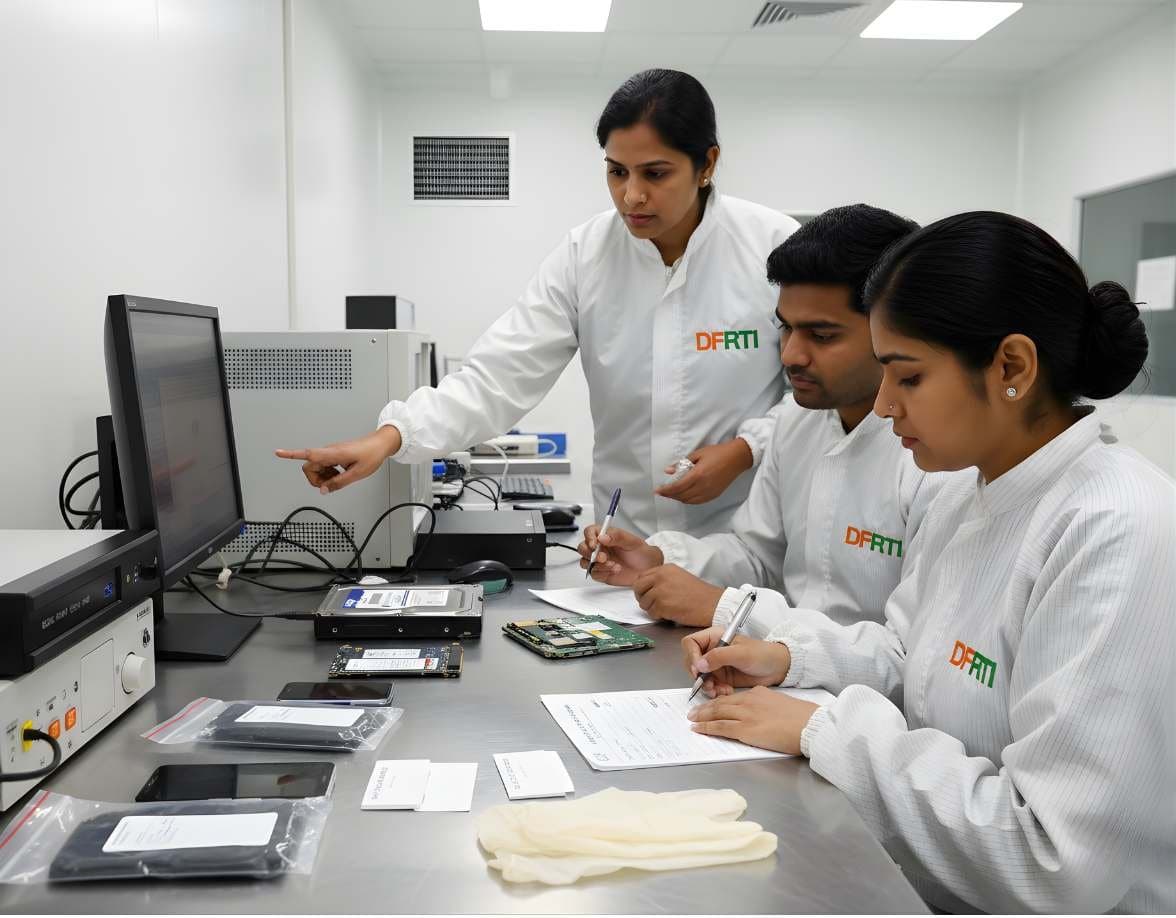 StorageDigital Storage ForensicsSSD / NVMe ForensicsHow TRIM, garbage collection and wear levelling change evidence on SSD and NVMe drives.
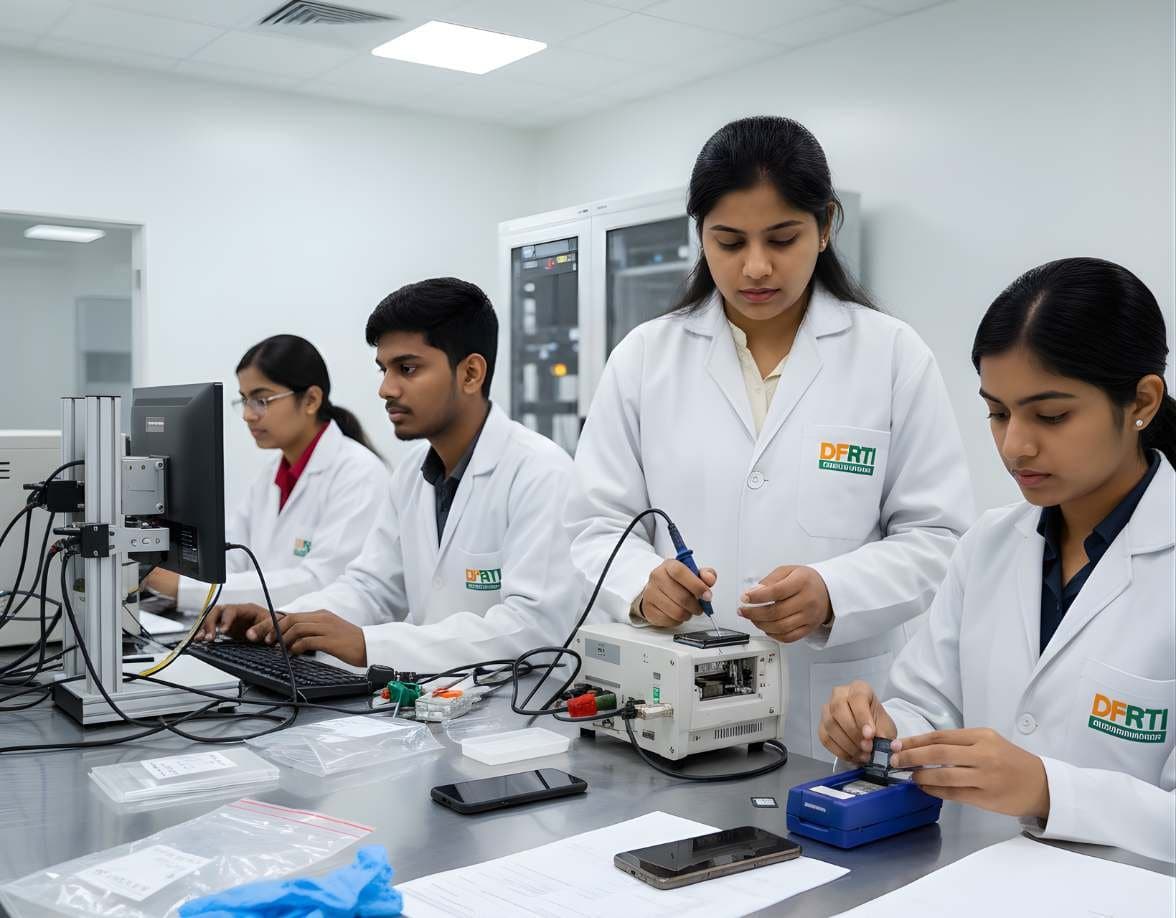 MobileMobile & IoT ForensicsAndroid ForensicsExtract and examine Android phones, from ADB pulls to WhatsApp databases and ALEAPP reports
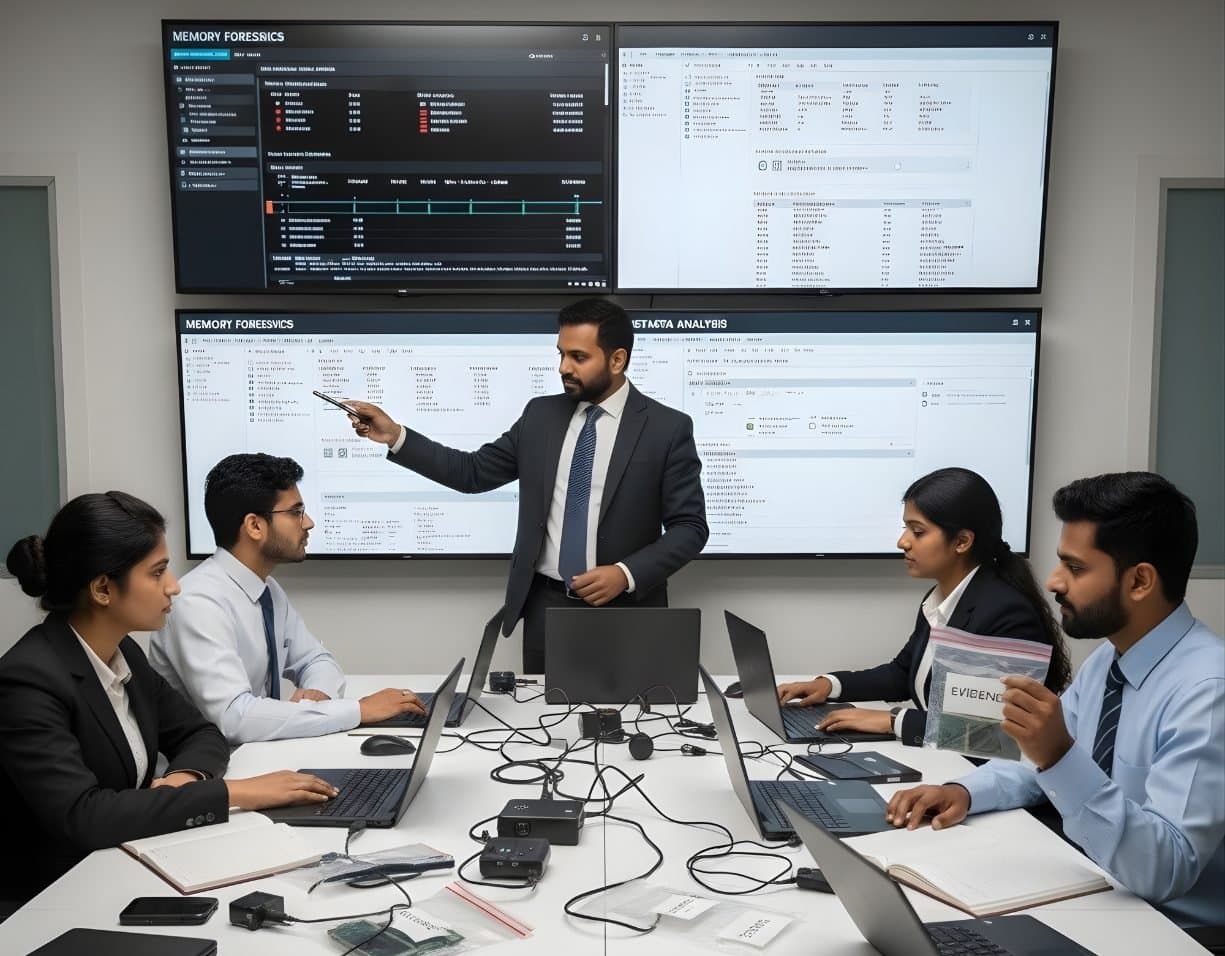 MalwareIncident Response & Malware AnalysisMemory ForensicsCapture RAM and use Volatility 3 to find hidden processes, injected code and connections.
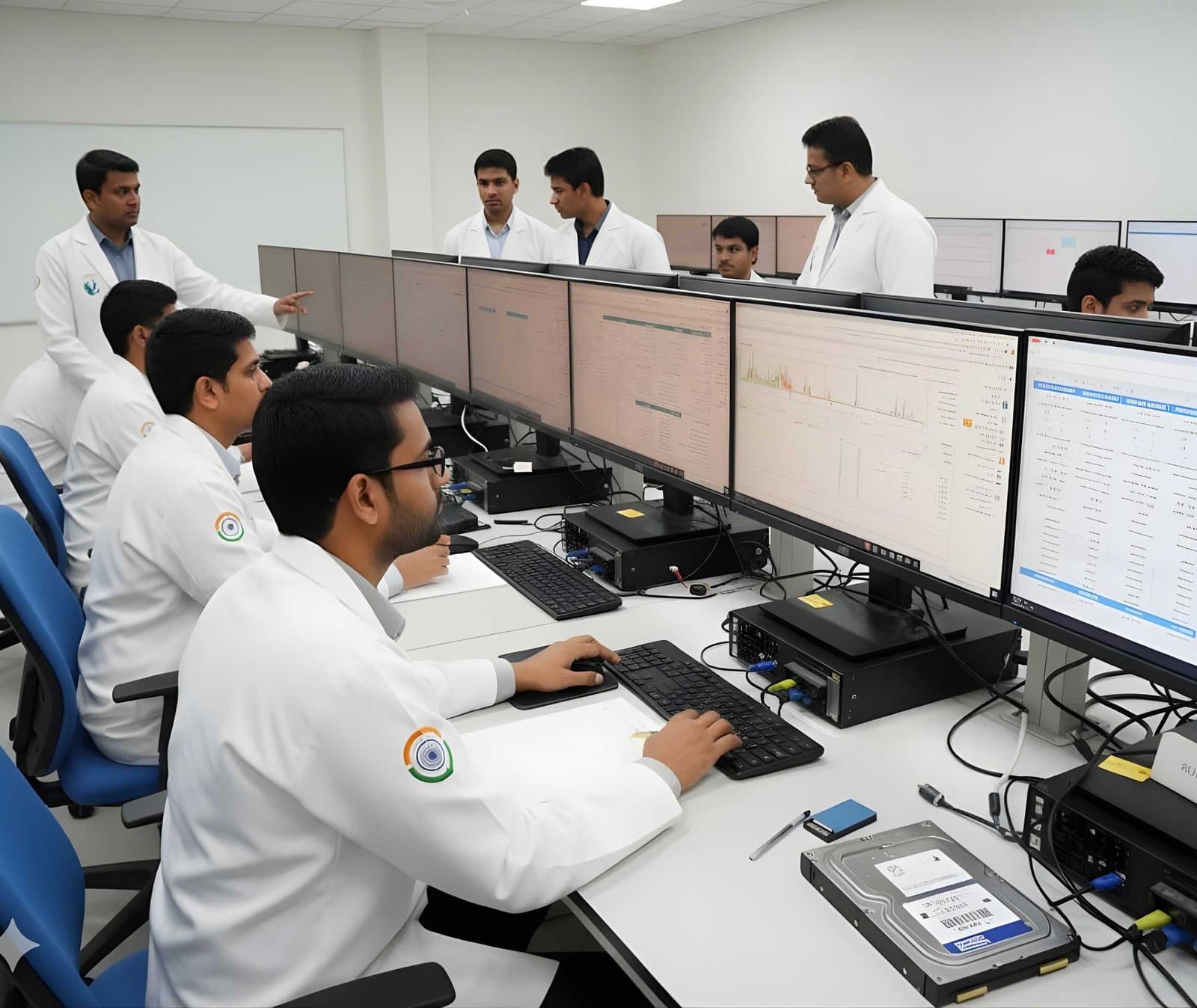 LegalFoundation & Legal CoursesForensic Report WritingWrite clear forensic reports that answer the questions asked and survive cross-examination.
Not sure this is the right one for you?
Tell us your background and what you want to do next. A counsellor will suggest a course and the next batch.