 StorageDigital Storage ForensicsHDD ForensicsImage hard drives through a write-blocker, find hidden areas and recover deleted data.
On-Campus Training in Digital Forensics
Learn at a lab bench as well as a screen. On-campus training puts real drives, phones and forensic tools in your hands, with an instructor beside you.
Train in a working lab
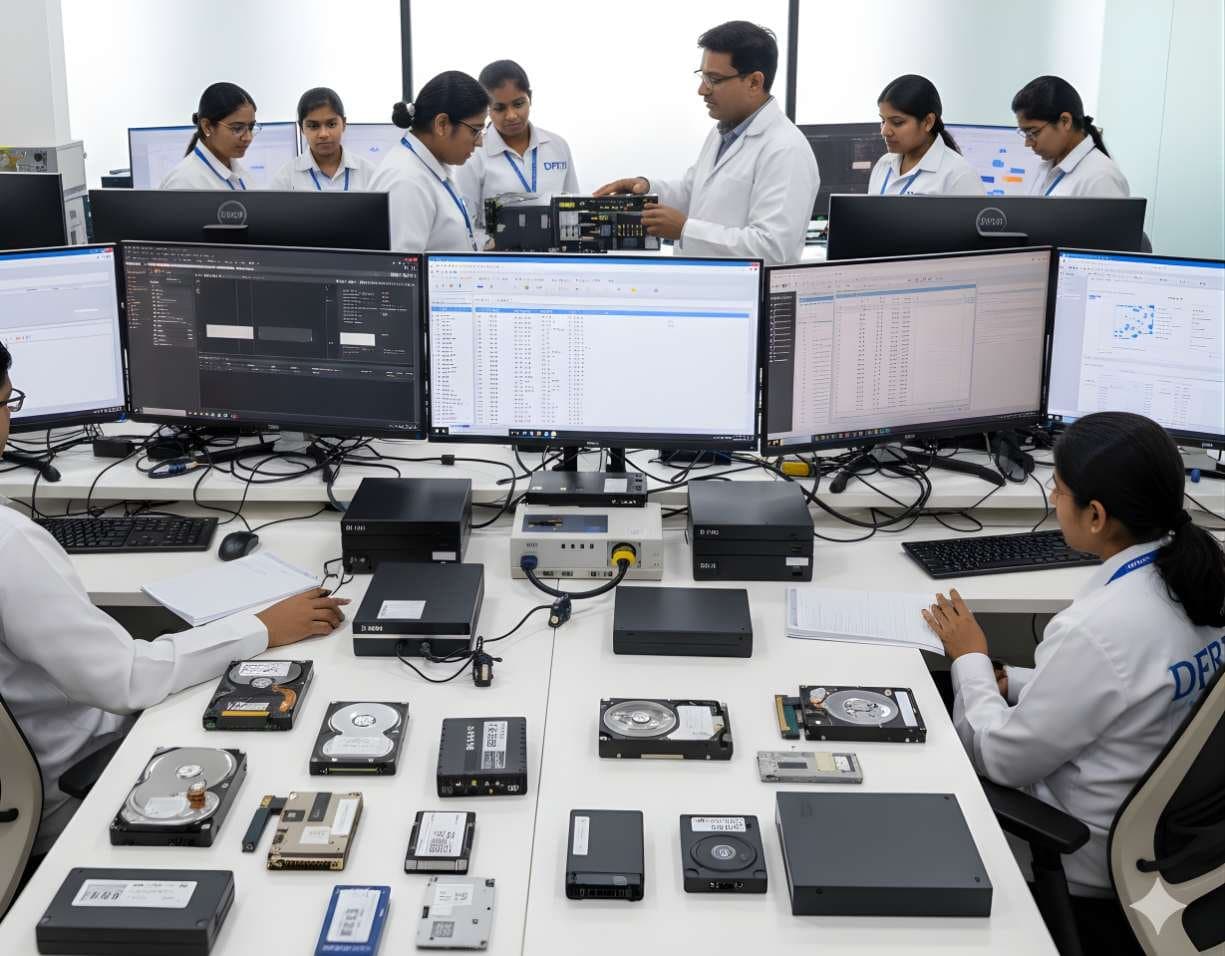
Some skills only come from handling the hardware. Connecting a seized drive through a write-blocker, imaging a failing disk without making it worse, pulling a SIM card and reading it properly. On-campus training at DFRTI is built around this kind of practice.
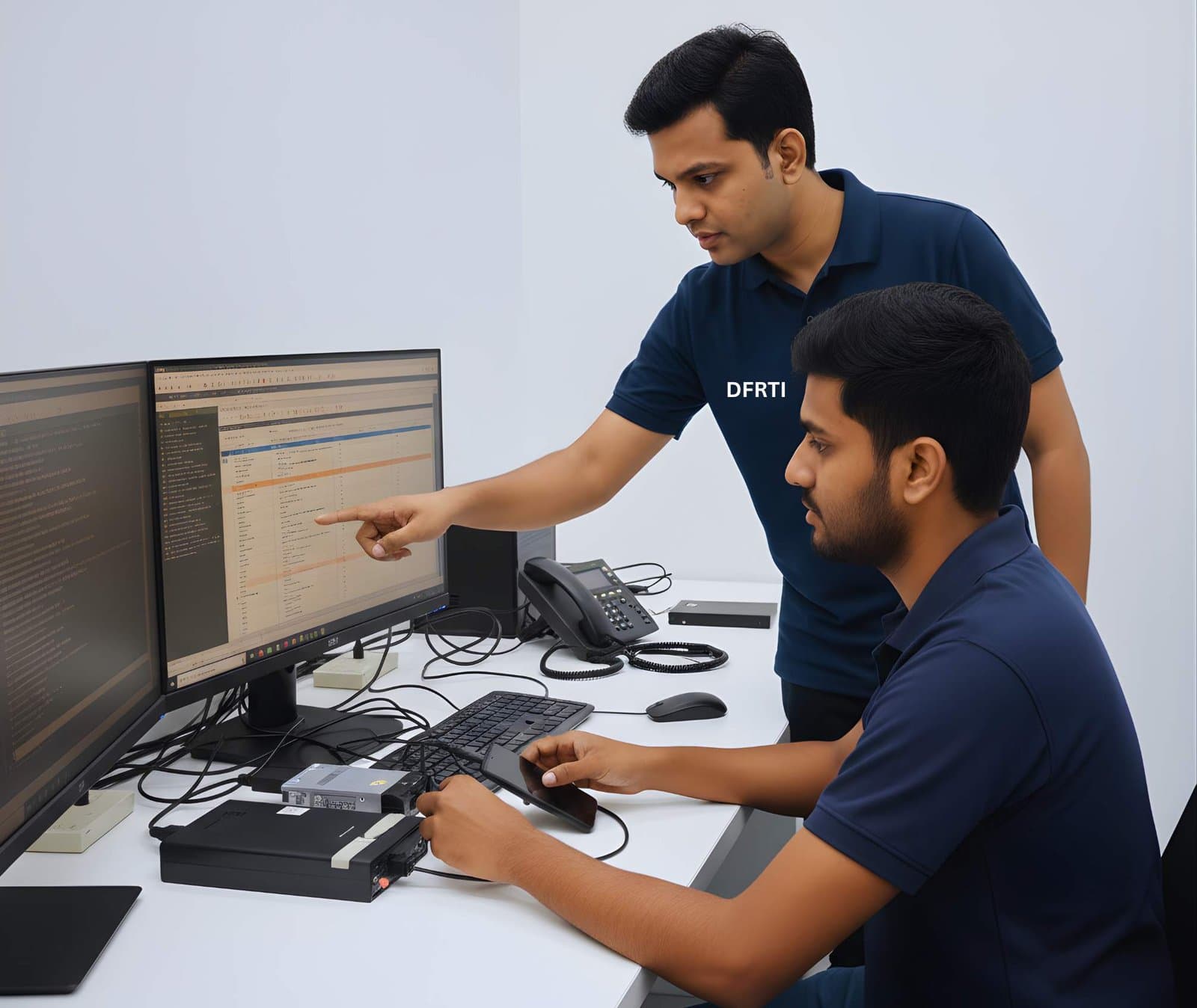
You work with forensic datasets and evidence exhibits set up for teaching, then follow a full investigation from intake to report. Instructors are forensic analysts, so when something goes wrong on a case exercise they show you how they would handle it in the field.
- Lab-based training on real forensic datasets
- Instructor-led sessions with experienced analysts
- Professional tools for disk, mobile, memory and network work
- Live case studies that run end to end
Why train on campus
- Hands-on with evidence
Image drives, extract phones and analyse memory captures yourself instead of watching a demo.
- Case studies from practice
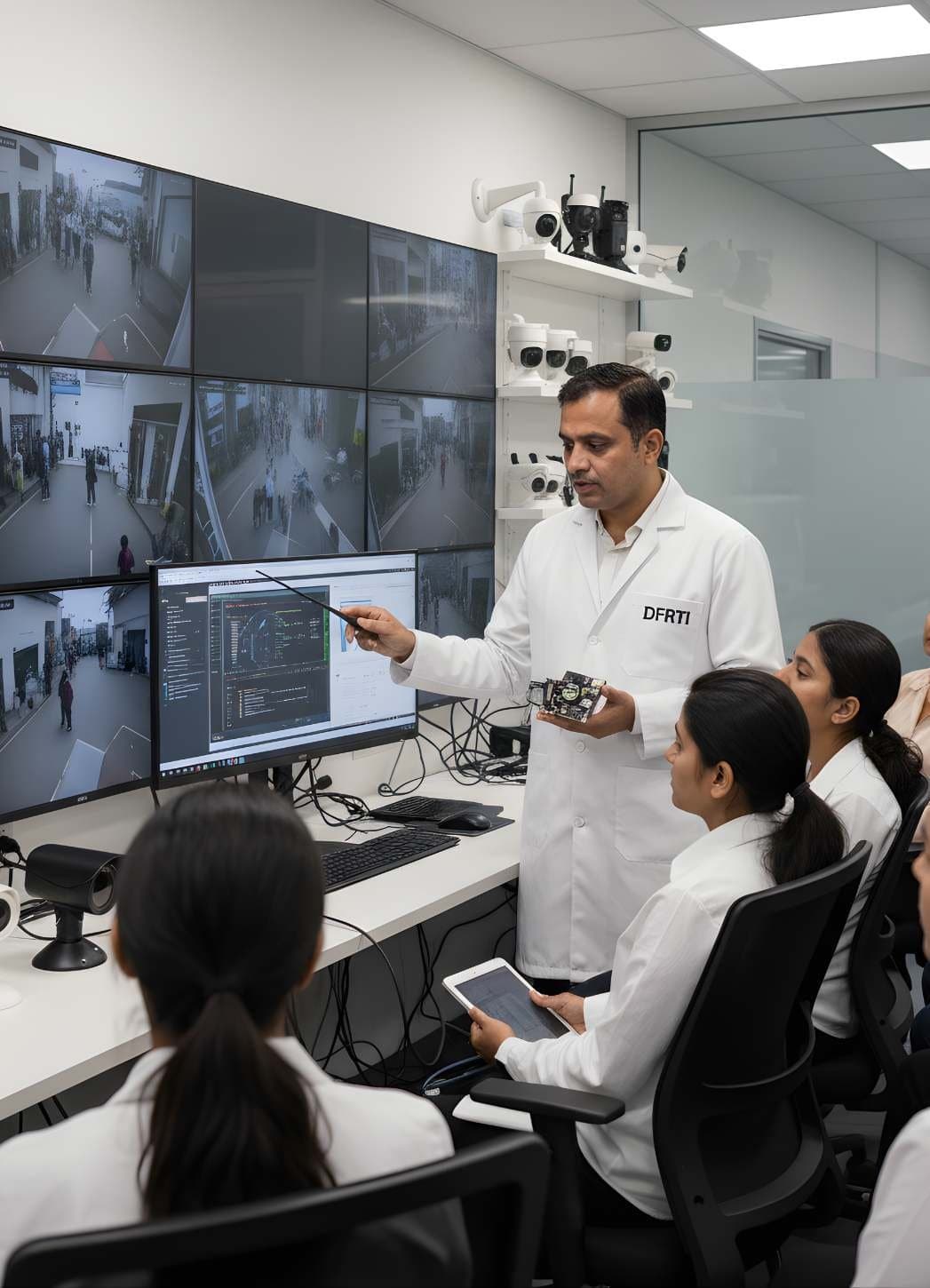
Exercises based on the kind of cases labs see, like a CCTV DVR from a shop theft or a ransomware note on an office server.
- Group work
Work in small teams on shared cases, the way a lab unit splits an investigation.
- Mentors on hand
Get direct feedback on your notes, your method and your report.
Who should join
- Students of computer science, forensic science or a related field who want to specialise
- Police officers, FSL personnel and LEA staff who collect and examine digital evidence
- Incident responders and forensic analysts building deeper skills in recovery, mobile and network work
- Lawyers, legal consultants and investigators who must handle and present digital evidence in court
- Anyone starting a career in digital forensics
How it works
- 01Enrol in your course
Choose an on-campus course and register. We confirm your batch and send joining details.
- 02Labs and live case studies
Work with forensic tools on prepared evidence, from acquisition and hashing to analysis.
- 03Guided practice
Instructors review your work in class and help you fix mistakes in method before they become habits.
- 04Certification
Pass the certification exam and earn your DFRTI credential, then join the alumni network.
Skills that hold up in court
A finding is only useful if it survives cross-examination. Throughout the course you keep contemporaneous notes, record hash values at acquisition and maintain a chain of custody for each exhibit. You also learn what goes into a certificate under Section 63 of the Bharatiya Sakshya Adhiniyam, 2023, which replaced Section 65B of the Indian Evidence Act for electronic records.
By the end you can take an exhibit from seizure to a written report that another examiner could repeat and reach the same result.
Common questions
Where is the campus?
Call +91 85277 09690 or write to care@dfrti.com for directions and batch details.
Do I need a forensics background?
No. Foundation courses start from the basics of digital evidence. Advanced courses expect some prior study or work in the field.
Which tools will I use?
Tools common in Indian and international labs, such as FTK Imager, Autopsy, X-Ways Forensics, Wireshark and Volatility 3, along with hardware write-blockers and forensic duplicators.
Related courses
StorageDigital Storage ForensicsHDD ForensicsImage hard drives through a write-blocker, find hidden areas and recover deleted data.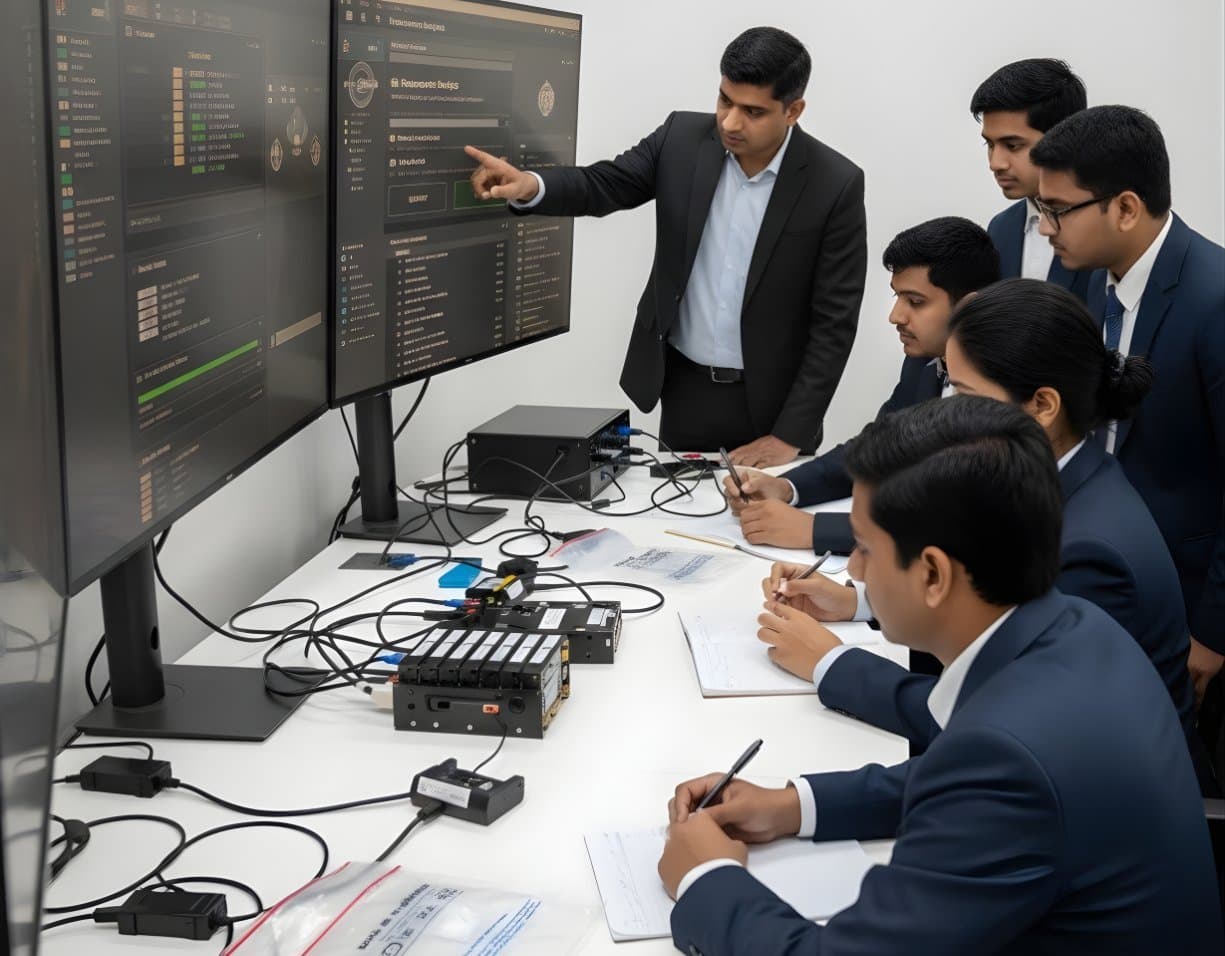 StorageDigital Storage ForensicsRAID / NAS ForensicsImage RAID members, rebuild arrays virtually and examine NAS boxes after ransomware.
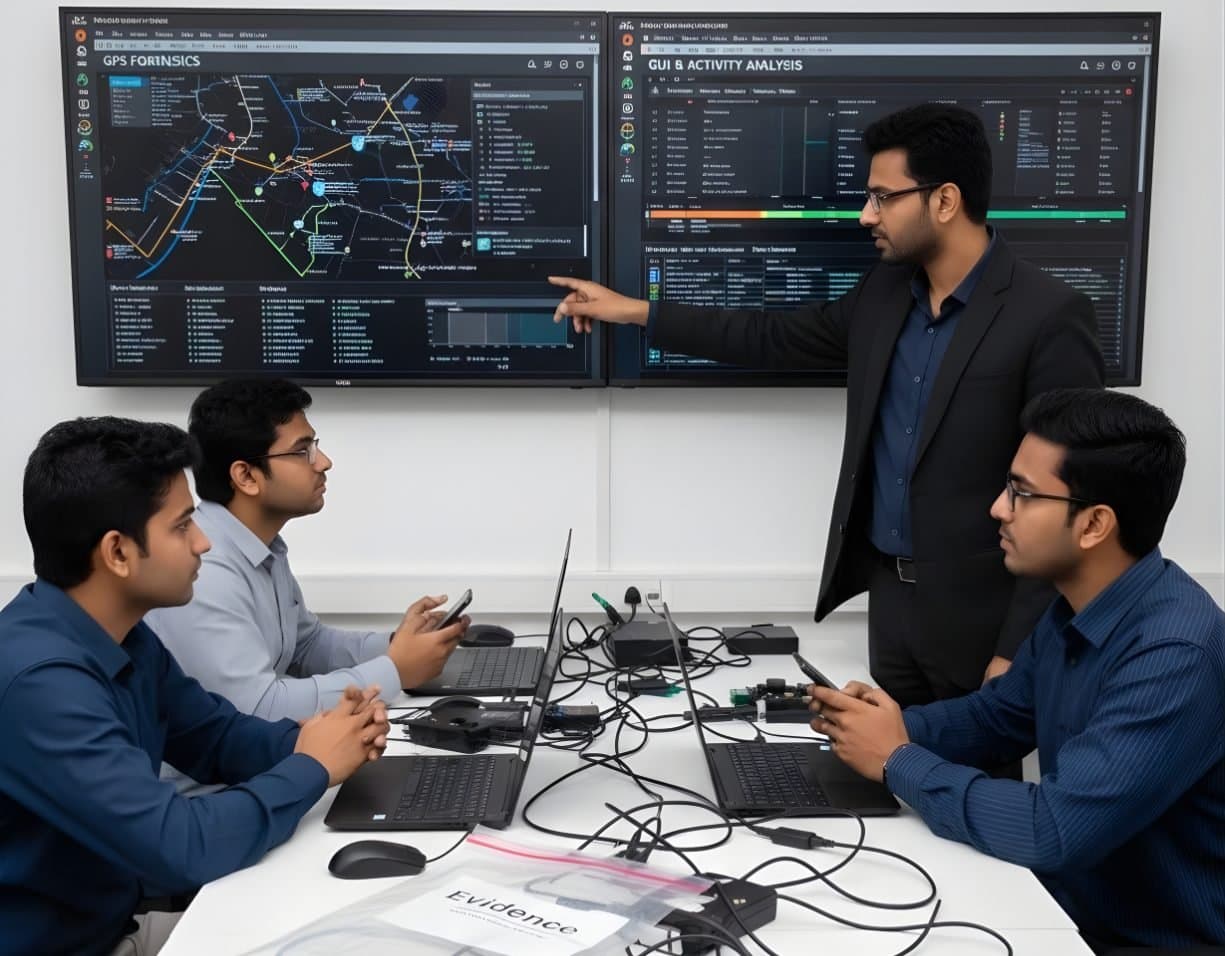 MobileMobile & IoT ForensicsiOS ForensicsBFU and AFU states, iTunes and Finder backups, the keychain and iLEAPP for iPhone cases
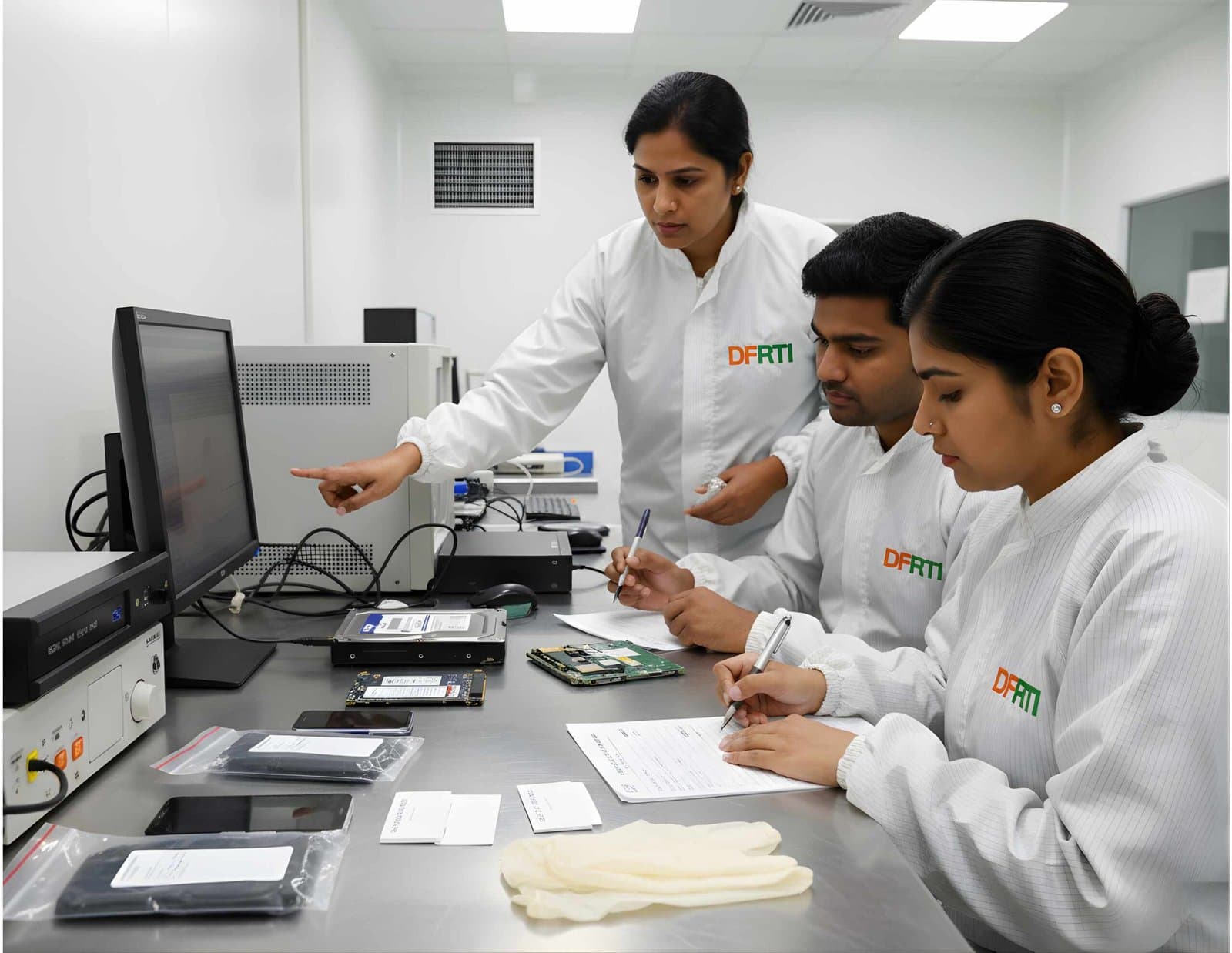 MobileMobile & IoT ForensicsSIM / Memory Card ForensicsICCID, IMSI and SMS from SIM cards, plus FAT and exFAT recovery from SD and microSD cards
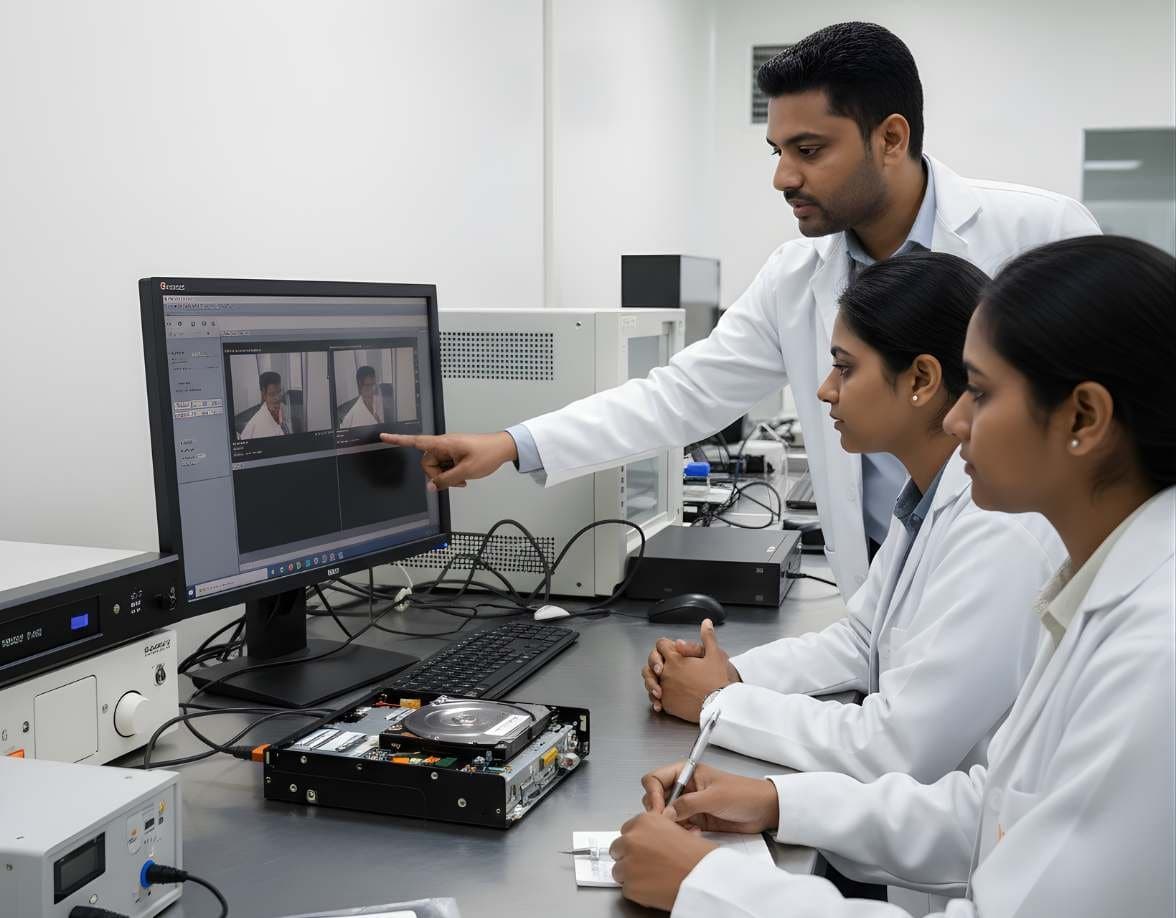 VideoSurveillance & Image / Video ForensicsCCTV / DVR AnalysisExport footage from Hikvision, Dahua and other DVRs with correct times, frames and hashes
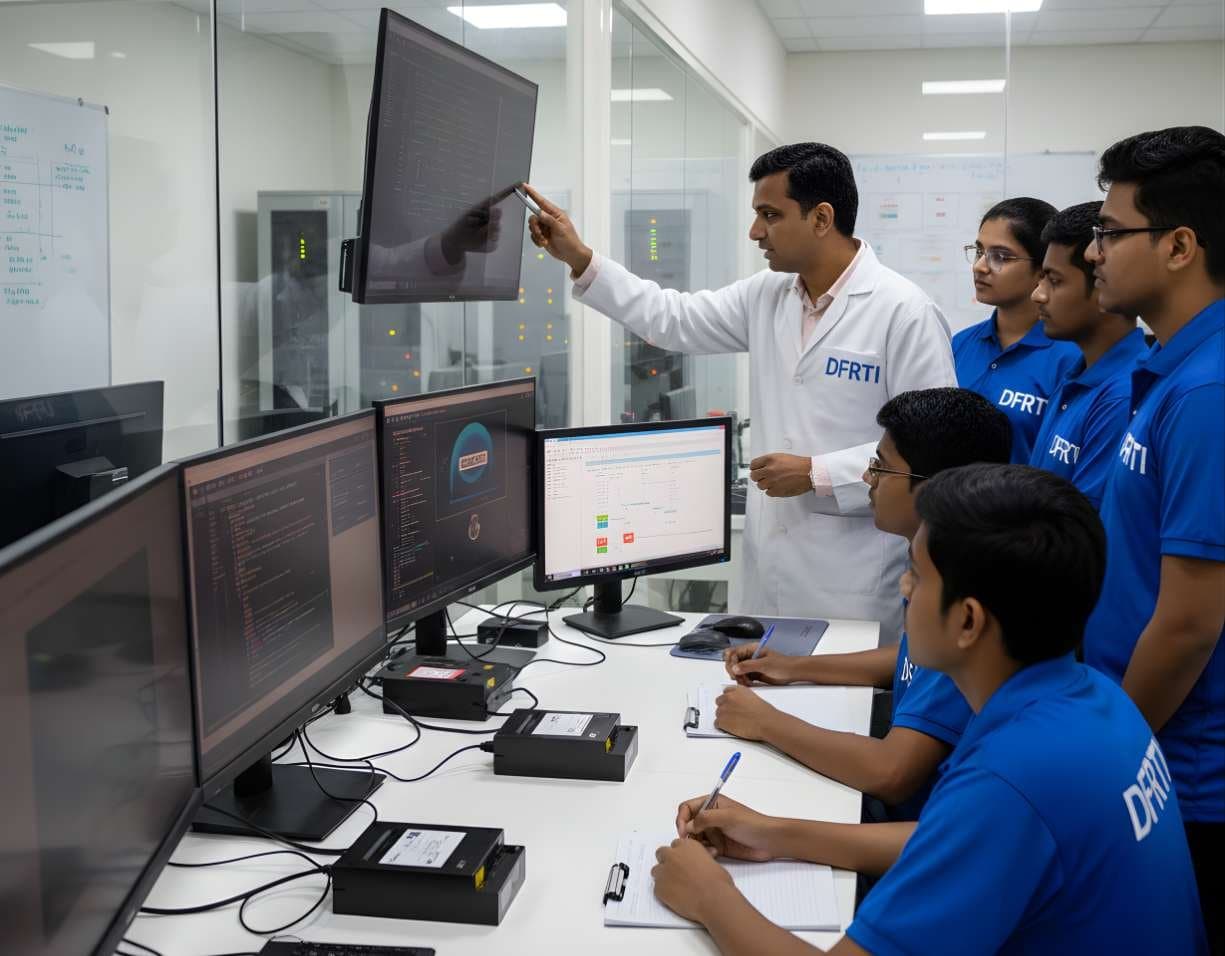 MalwareIncident Response & Malware AnalysisMalware Reverse EngineeringTake malware apart safely with static and dynamic analysis, Ghidra, x64dbg and YARA.
Not sure this is the right one for you?
Tell us your background and what you want to do next. A counsellor will suggest a course and the next batch.