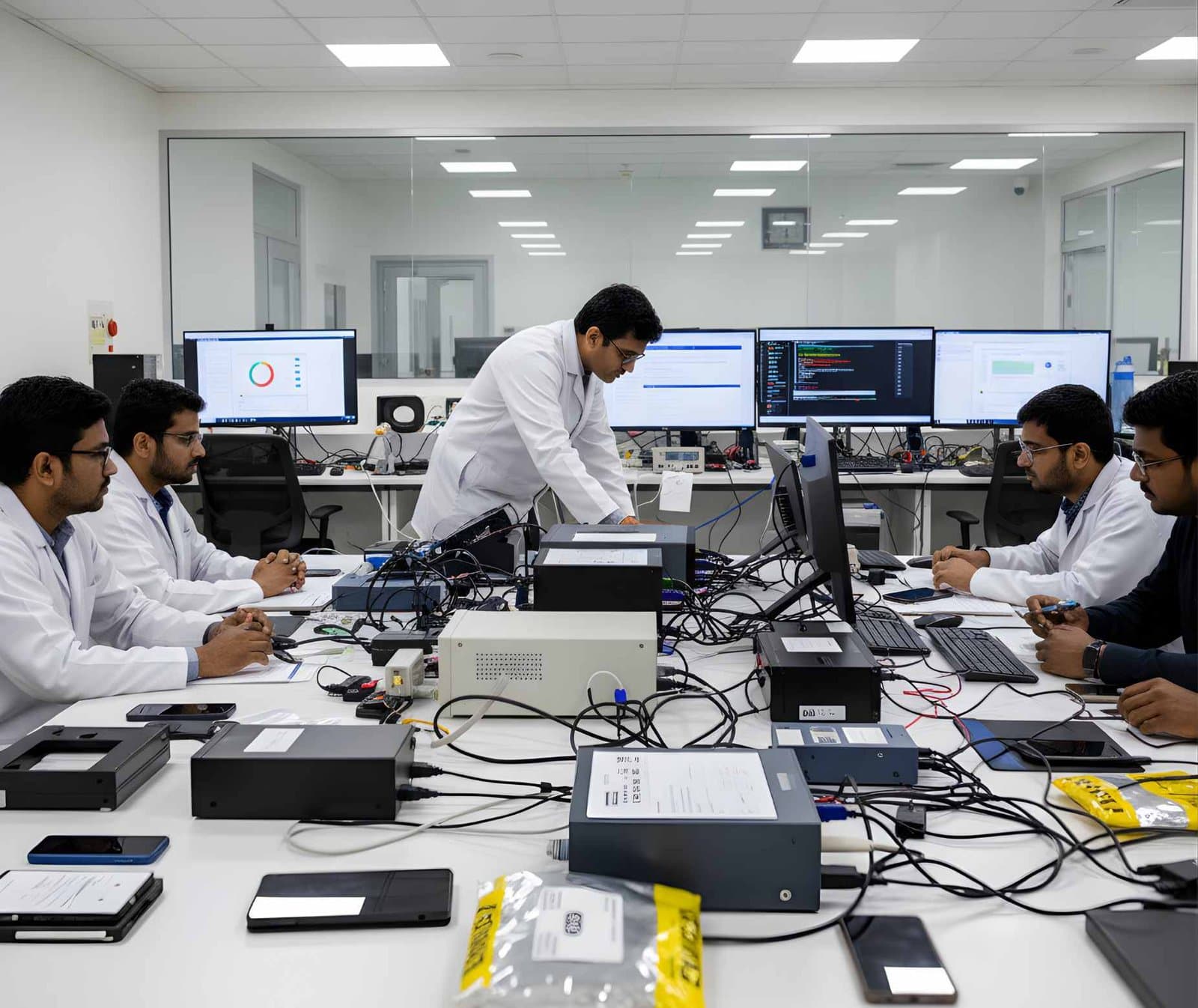
 LegalFoundation & Legal CoursesBasics of Cyber ForensicsStart here. Evidence handling, imaging, hashing, chain of custody and your first analysis.
Online Training in Digital Forensics
Live classes with working forensic examiners, recordings you can replay and virtual labs you can open from home. Learn digital forensics without moving city or leaving your job.
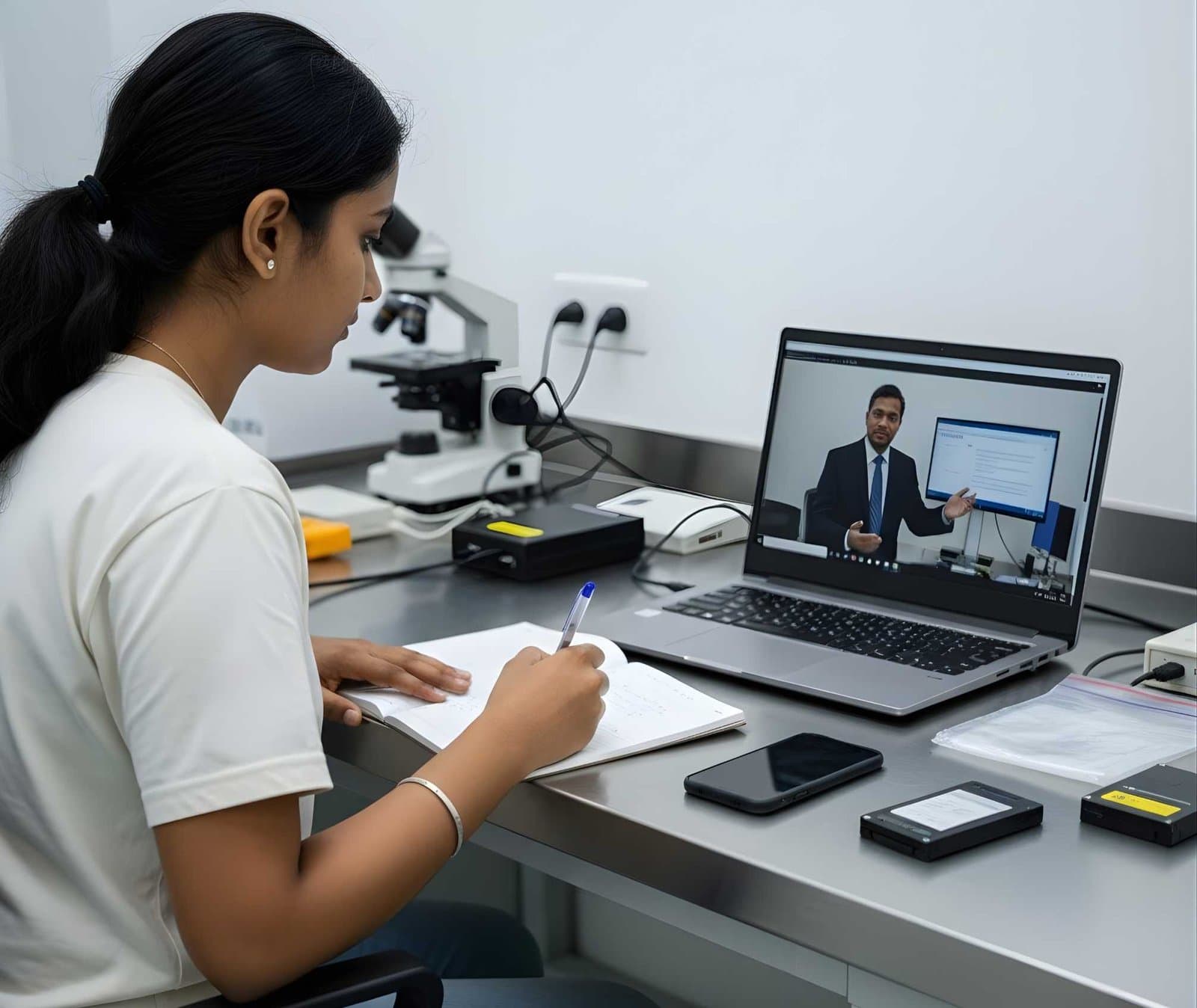

Real casework, on your screen
Digital evidence turns up in almost every case now. A phone seized in a fraud complaint, a laptop from an employee who left with client data, a cloud account that holds the only copy of an invoice. Our online programme teaches you how to handle each of these the way a lab would.
Classes are live, so you can stop the trainer and ask why a step matters. Each session is recorded, which helps if you work shifts or miss a class. Between sessions you practise on virtual forensic machines loaded with case data, using the same workflow you would follow on a real exhibit.
- Live classes taught by people who work on forensic cases
- Practice on real forensic tools and case-based simulations
- Recorded sessions for flexible study
- A path to a DFRTI certification at the end
What you will study
The online modules cover the main areas of the field. You can take one track or build up over time.
- Digital storage forensics
Imaging HDDs, SSDs and USB drives, RAID rebuilds and file system analysis on NTFS, FAT, exFAT and ext4.
- Mobile and IoT forensics
Android and iOS extractions, app data, SIM and memory cards, drone logs and smart devices.
- Network and cloud forensics
Packet capture and analysis in Wireshark, log review and evidence from cloud storage accounts.
- Malware and incident response
Memory analysis with Volatility 3, basic reverse engineering and ransomware response.
- Legal and reporting skills
Evidence handling, chain of custody, writing a clear report and presenting findings in court.
Who can join
The online courses suit anyone who needs practical skills with digital evidence.
- Students of B.Tech, M.Tech, B.Sc. and M.Sc. in computer science or forensic science
- Police officers, FSL staff and other law enforcement personnel
- Forensic analysts and incident responders who want to fill gaps
- Lawyers and legal staff who deal with electronic evidence
- Anyone planning a career in digital forensics and investigation
How it works
From enrolment to certificate, the online programme runs in four steps.
- 01Enrol and open your dashboard
Register online and get access to your student portal, where your classes, recordings and lab material sit.
- 02Attend live and recorded classes
Join live sessions and ask questions as you go. Replay any class later from the portal.
- 03Work through the labs
Complete the exercises in virtual forensic environments. Each one starts from an evidence file and ends with findings you can defend.
- 04Take the exam and get certified
Sit the online exam and receive your DFRTI credential, which employers can verify.
What you get
- Live and self-paced study
Attend live or catch up from recordings, from any device.
- Certificate verification
Your DFRTI certificate can be checked by an employer, so it carries weight.
- DFRTI knowledge hub
Guides, sample datasets and tool notes that support each module.
- Career guidance
Mentors help you plan your next step, from your first analyst job to a specialist role.
Common questions
Do I need my own forensic software?
No. Practice happens in the virtual lab set up for the course. A laptop with a steady internet connection is enough to start.
What if I miss a live class?
Every live session is recorded and stays in your portal, so you can watch it later and bring your questions to the next class.
Is online training as practical as the campus course?
The online labs use real case data and real tools, so the method is the same. Some hardware work, like handling write-blockers and damaged drives, is easier to learn on campus.
Which jobs does this prepare me for?
Digital forensic investigator, mobile forensics examiner, network forensics specialist, incident responder, malware analyst and expert witness on digital evidence.
Related courses
LegalFoundation & Legal CoursesBasics of Cyber ForensicsStart here. Evidence handling, imaging, hashing, chain of custody and your first analysis. MobileMobile & IoT ForensicsAndroid ForensicsExtract and examine Android phones, from ADB pulls to WhatsApp databases and ALEAPP reports
 NetworkNetwork & Cloud ForensicsNetwork Traffic AnalysisRead flows, logs and packets to trace intrusions, beaconing and data theft.
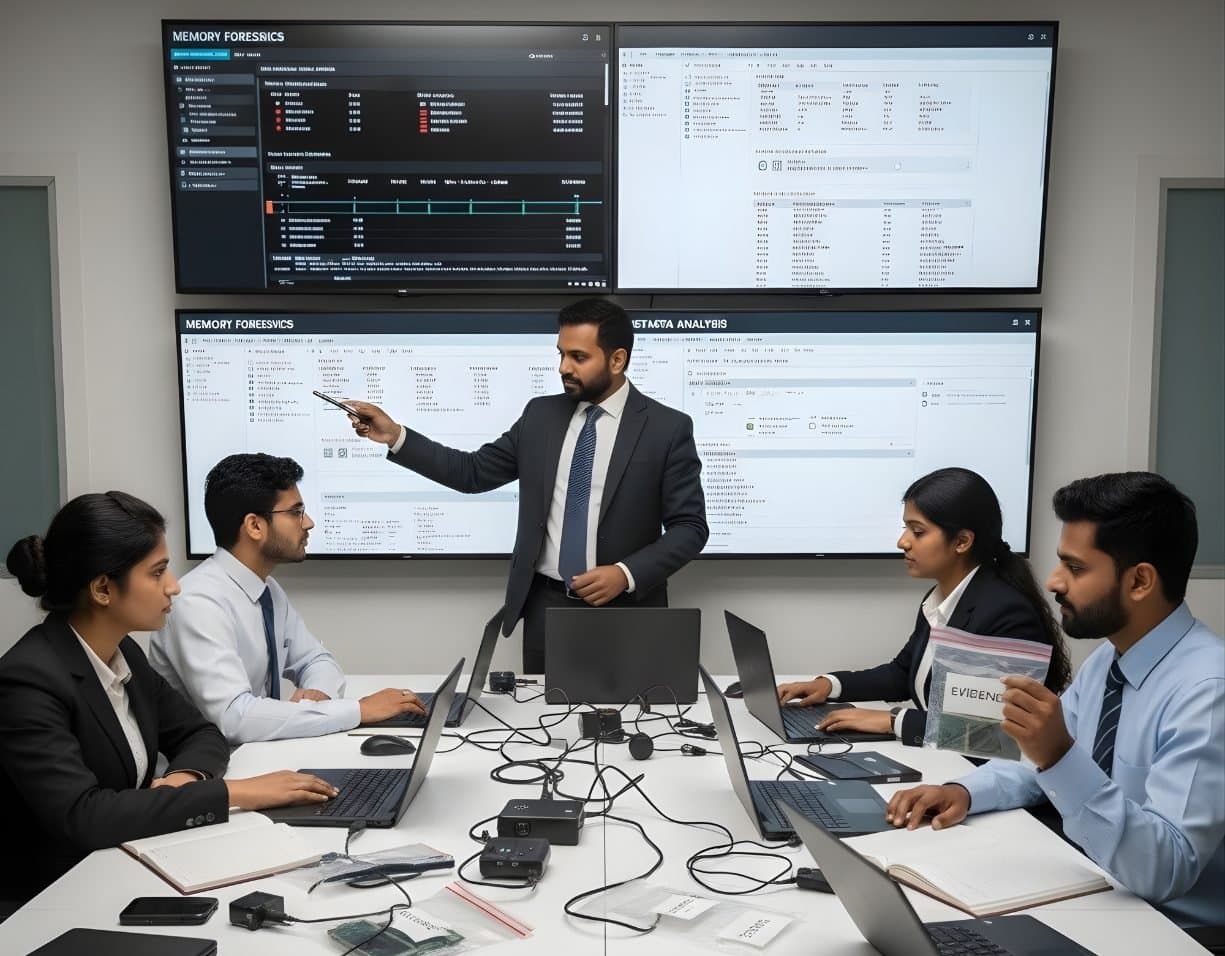 MalwareIncident Response & Malware AnalysisMemory ForensicsCapture RAM and use Volatility 3 to find hidden processes, injected code and connections.
 NetworkNetwork & Cloud ForensicsCloud Storage InvestigationCollect and read AWS, Microsoft 365 and Google Workspace logs as sound evidence.
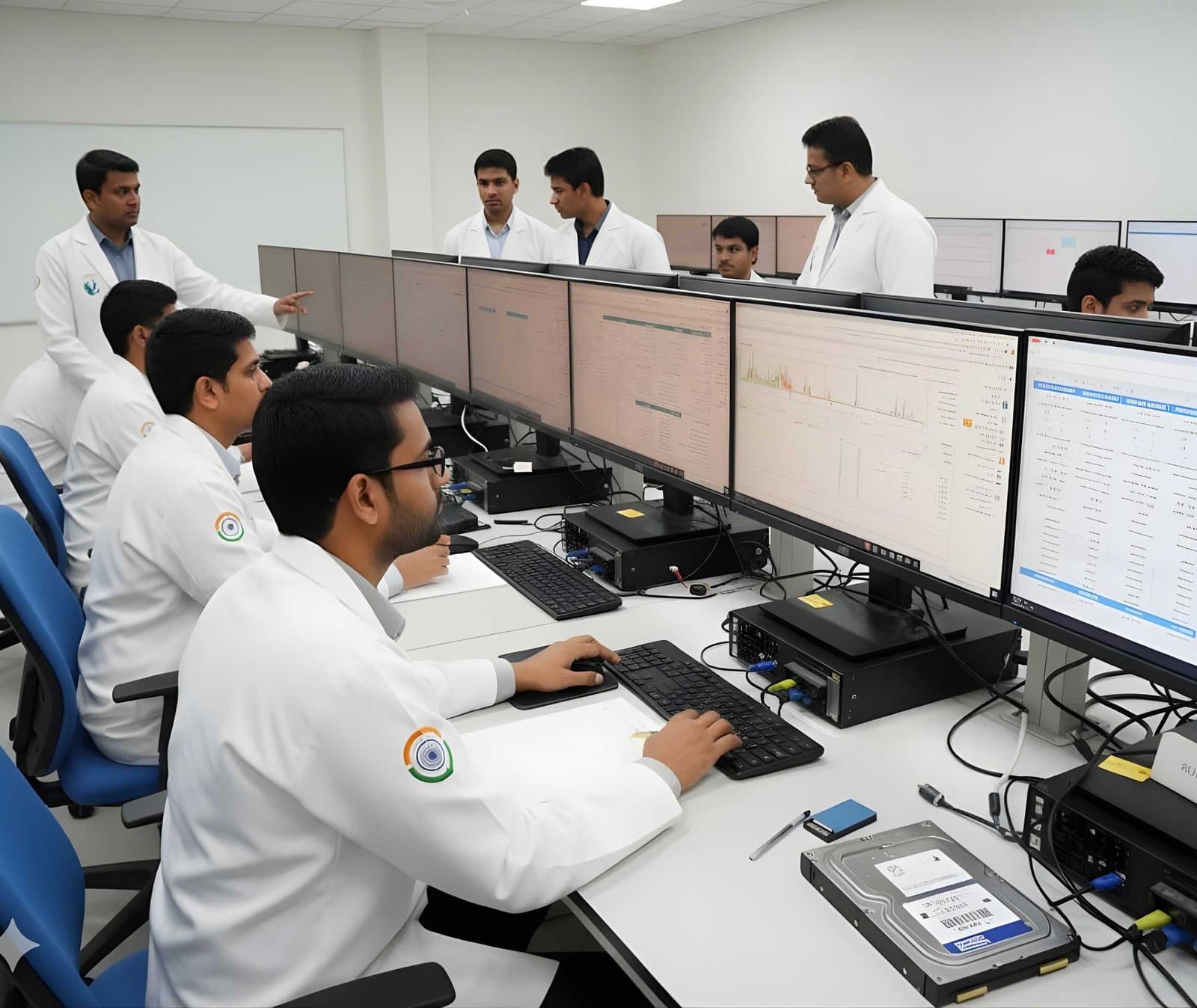 LegalFoundation & Legal CoursesForensic Report WritingWrite clear forensic reports that answer the questions asked and survive cross-examination.
Not sure this is the right one for you?
Tell us your background and what you want to do next. A counsellor will suggest a course and the next batch.